

Relax and Refresh with Country Elderberry Wine
There’s really nothing better than sitting down after a long day with a glass of wine and the sun setting in the distance. Unless of course you foraged for the berries for said wine, crushed them by hand, added in some sugar, water, and citric acid, bottled it up, and waited six months before you could enjoy it. That might actually be the best. If you have the patience, this recipe is for you.
The following excerpt is from The Wildcrafting Brewer by Pascal Baudar. It has been adapted for the web.
(Photographs courtesy of Pascal Baudar unless otherwise noted.)
 California is home to Mexican elder trees (Sambucus mexicana), which provide either white or black berries (they look similar to white or black grapes in terms of color). These berries are also more sugary than other elderberries, so if you live in a different state or country and are working with the usual black-berried elder (S. nigra), you may want to add a bit more sugar than this recipe calls for. Or you can also just follow the amounts given here, then sample the brew when fermentation is complete and sweeten to match your taste.
Note that you need to pick the berries when they are fully ripe for this recipe. Unripe berries may contain cyanidin glycoside, which isn’t good for you; drinking raw elderberry juice is also not advised. Fermentation with raw juice is documented in the books Preserving Food Without Freezing or Canning by the Gardeners and Farmers of Centre Terre Vivante and Wild Fermentation by Sandor Ellix Katz; it’s the only method I’ve used for the last three years. The Nordic Food Lab has also done some interesting work related to the effect of fermentation on cyanogenic glycosides in elderberries, which is worth reading on their website (nordicfoodlab.com).
I’ve used this (raw) recipe with Sambucus mexicana and S. nigra (commonly found in Europe and North America). But note that the recipe may not be appropriate for other types of elder trees and berries. If you’re unsure about ripeness or other issues (cyanogenic glycosides, types of elderberries, or the like), simply use the same basic recipe but boil the juice and add commercial wine yeast or wild yeast starter once the solution has cooled down.
Ingredients
- 4 pounds (2 kg) elderberries (Sambucus nigra or S. mexicana)
- 2 pounds (1 kg) granulated white sugar
- 1 gallon (3.78 L) springwater or distilled water
- 1 teaspoon (5 g) citric acid, or juice of 3 lemons
- Elderberry wild yeast (already on the berries)
Procedure
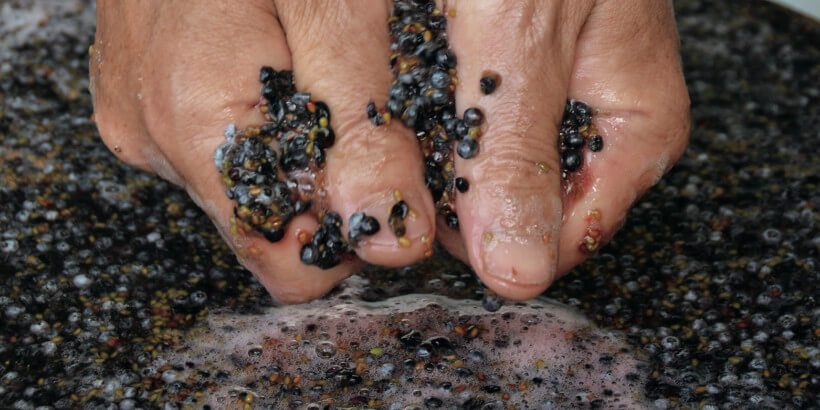
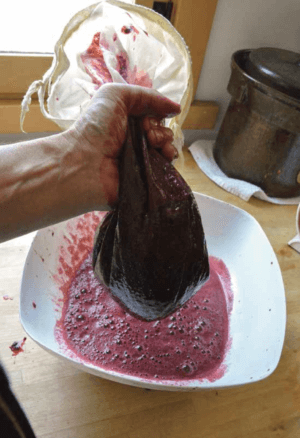
1. With clean hands, remove the berries from the stems, crush them, and strain the juice through a cheesecloth or sieve.
2. In a clean pot, combine your juice with the sugar, water, and citric acid. There’s no need to add yeast; it’s already inside the juice.
3. Place the mixture in a large (clean) bottle fitted with an airlock and let it ferment for 6 months, then bottle. Wait another 6 months before drinking if you have the patience (which I don’t).
This wine should end up a tad sweet. Wild yeast from elderberries can be quite interesting and variable. I’ve made batches that had a higher percentage of alcohol and were drier. Just taste the brew when it’s ready and add sugar if necessary.
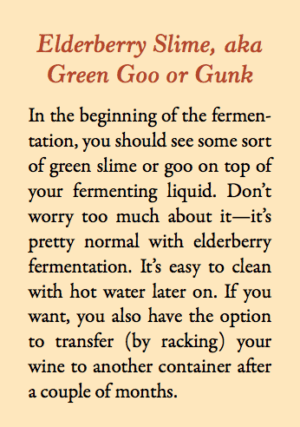
Because it uses raw juice and wild yeast, this wine is probably more prone to spoiling (it turns to a yummy, useful vinegar) than wines made with the boiling method. But so far at least, this has never happened to me. Just make sure to clean thoroughly all the equipment you use in the process.
Boiled Wine Variation
Follow the same procedure and on step 2 bring the liquid to a boil then simmer for 10 minutes. Cool the solution by placing your pot in cold water (change the water a couple of times if necessary), then add the yeast (wine yeast or yeast starter). When I’m using a wild yeast starter, I usually use a bit more than 1/2 cup (120 ml) of liquid.
Recommended Reads
Read The Book

The Wildcrafting Brewer
Creating Unique Drinks and Boozy Concoctions from Nature's Ingredients
$29.95
You may like...
-
 $27.95
 -
$25.00
-
$29.95


Recent Articles

Looking to add another recipe to your fermenting repertoire? This recipe for kvass calls for just a few ingredients and only takes a couple days to ferment.
Read More
Having a lack of outdoor greenspace doesn’t mean you can’t enjoy homegrown food. Sprouts are a quick, simple, and healthy way to keep your appetite satisfied.
Read More
Yogurt making is having a moment! Join the fun and create your own natural yogurt at home. Try our simple recipe using kefir as a starter and taste the difference for yourself!
Read More
Vermont’s sweet tradition in a glass! This recipe is inspired by the classic maple taffy-like candy Sugar on Snow. Unlike flavor-neutral simple syrup, maple syrup’s contribution to cocktails isn’t just sweetness but also buttery, nutty & vanilla flavors.
Read More
Unwind with a twist! Ditch the booze and elevate your evenings with this delightful herbal nightcap mocktail syrup. Relax before bed or spice up your tea time!
Read More