

Saving the Soil, Saving Ourselves
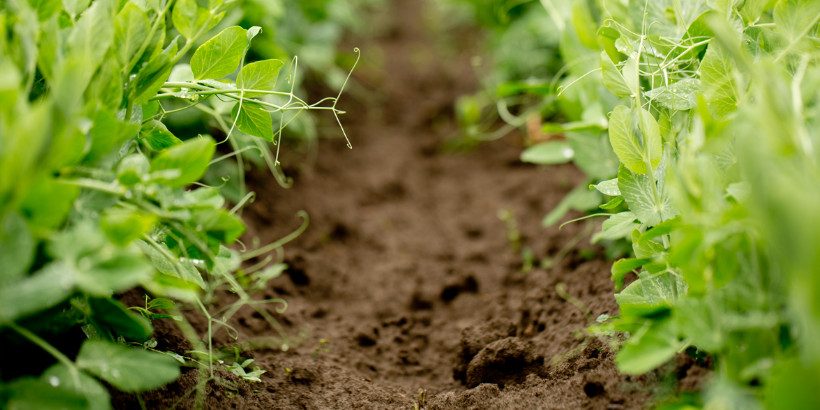
The soil undeniably sustains us, without it there would be no gardens, no farms, no livestock– nothing. As we continue to overuse and undernourish the soil, we are shorting both the earth and ourselves. These three books map out different approaches to revitalizing our soil through regenerative agriculture.

“In healthy, living soils covered with green plants for much of the year, the carbon supply for beneficial soil microbes can be nearly endless. I cannot emphasize this enough: This process is absolutely key! According to soil ecologist Dr. Christine Jones, the formation of fertile topsoil can be breathtakingly rapid once the biological dots have been joined. The sun’s energy, captured in photosynthesis and channeled from aboveground to below ground as liquid carbon, fuels the microbes that solubilize minerals. A portion of the newly released minerals enable rapid humification in deep layers of soil, while others are returned to plant leaves, facilitating an elevated rate of photosynthesis and increased production of plant sugars. This positive feedback loop makes soil-building somewhat akin to perpetual motion.” —Gabe Brown
Featured Excerpts:
The Importance of Planting Cover Crops
|
|
|---|

Featured Excerpts:
Emergence of the Mechanical Mind and Its Dire Implications
Agri-Culture: Source of a Healthy Culture, Society and Mother Earth
From the Group Up: A Call for Regenerative Agriculture
|
|
|---|

Featured Excerpts:
Rethinking Pests, Invasive Species, and Other Paradigms
|
|
|---|
Recommended Reads
You may like...
-
 $24.95
 -
$20.00
-
$25.00


Recent Articles

Growing no-till arugula is a simple way to grow your own food. These greens can be used on pizzas, salads, and as a garnish on almost any dish.
Read More
The leaves are falling, which means it’s time start figuring out what to do with them. This year, try turning your fallen leaves into mulch for your garden!
Read More
Enjoy fresh produce all year long by growing your own food! Achieving a twelve-month growing season is as simple as using the right crop protection structure.
Read More
Beets can be grown year-round and are a perfect, flavorful addition to meals. Get started on growing your own no-till beets with help from these tips!
Read More
All hail the mighty garlic clove! Become a master at garlic growing with these simple tips for growing no-till garlic from seed to harvest.
Read More