

Desert Cuisine: Building Your Own Desert Pantry
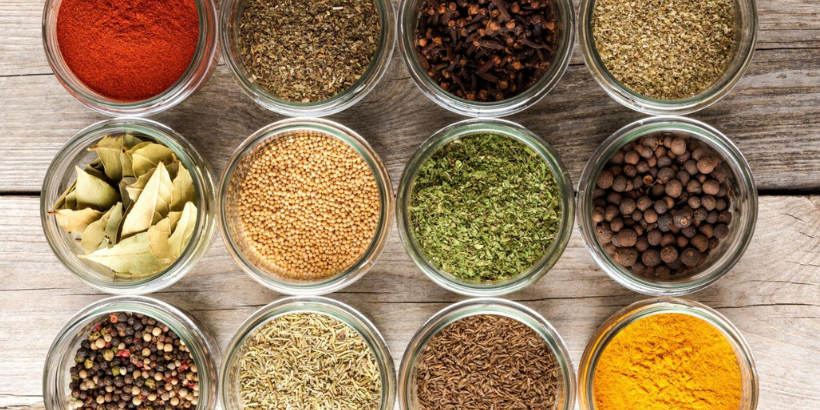
Building a desert pantry involves embracing how an arid climate shapes flavor. Across North Africa, the Middle East, the American Southwest, and arid regions of the Mediterranean, cooks have long relied on ingredients that thrive in heat and keep well without refrigeration: dried chiles, warm spices, grains, preserved citrus, nuts, legumes, dates, fragrant oils, and more!
Together, these staples form the backbone of aromatic cooking, where a handful of pantry ingredients can become something complex and comforting. Learn the essential ingredients needed to build a well-stocked desert pantry!
The following excerpt is from Chile, Clove, and Cardamom by Beth Dooley and Gary Paul Nabhan. It has been adapted for the web.
Building Your Own Desert Pantry
Just as an herbalist, a curandera (medicine woman), or a midwife always keeps her remedies and tool kit at hand, a good desert cook watches the weather to gauge when to harvest, collect, or capture each seasonal resource that arrives in abundance when the rains come. These windfalls are sometimes made rare by droughts or other disruptions in the annual cycle, so they are both prized and carefully conserved in a pantry or dispensa that shields them from excessive heat, glaring light, insect pests, or rodents.
Of course, it will be best to make some spice or nut blends, floral infusions, or scented vinegars on your own, so tools such a molcajete grindstone and pestle from Mexico, three sizes of colanders, cheesecloth bags, an infusion bottle, screens, and funnels will be essential. You may want to gift yourself a small alambique distillation apparatus, a stainless steel corer for zucchinis and eggplants, a good paella pan, and tagine pots, as well.
For starters, keep some core ingredients on hand for elaborating typical dishes in desert cuisines.

Dispensa pantry, Oaxaca, Mexico.
Cereal Grains and Flours and Legume Flours
Bulgur; durum wheat; couscous (balls of durum wheat mixed with semolina, or barley, corn, or millet); green, fire-charred freekeh wheat; Sonora white bread and pastry flour; bomba “paella” rice; basmati rice; pearl millet; bird-tongue orzo; popped amaranth seeds; amaranth flour; chickpea flour; mesquite pod flour (or carob pod flour); barley-maize gofio meal; toasted flint corn pinole; corn atole; blue, yellow, and white nixtamalized maize (corn); pear millet; sorghum seed; agave inulin powder; powdered kishk wheat with kefir yogurt.
Whole Dry Legumes or Pulses
Yellow-brown and white tepary beans; Anasazi and pinto beans; yellow (split) mung beans; red and yellow lentils; yellow peas; fava beans; yardlong beans; crowder peas / black-eyed peas; carob and mesquite bean pods.
Nuts and Crunchy Seeds, Toasted or Raw
Ajwain; amaranth; bellota acorns; celery seed; chia; coriander seed; cumin seed; pinyon (snobar) pine nuts; hazelnuts; pecans; nonbitter acorns; poppy seeds; hulled pumpkin seeds; black or white sesame seeds; nigella seeds.
Infusions and Syrups of Flower Blossoms
Rose water; rosewater syrup; mint syrup; hibiscus (Jamaica) water; elderflower blossom water; orange blossom water and other citrus blossom waters.
Oils and Pastes
Achiote (annatto) paste; argan oil; Moroccan harissa paste; olive oil; pistachio oil; sesame oil; tahini; hazelnut, pecan, or walnut oil.
Culinary Ashes
Saltbush/chamisa (Atriplex); sage (Artemisia or Salvia); Aleppo pepper or chile de arbol; corn cob; lime (cal). Pickled Leaves for Rolling and Stuffing Fig leaves; grape leaves; hoja santa leaves.
Spice Blends
Adobos; baharat; berbere; chermoula; curries; garam masala; harissa; kamouneh (for kibbeh); karouia; mojo picón; mole negro; ras el hanout; Yucatecan recaudos, tzatzikis, green za’atar; brown za’atar.

Dried Culinary Herbs
Arabian mint; bay laurel; bergamot; damiana; Greek oregano; kaffir lime leaf; lavender; lemon verbena; marjoram; Mexican oregano; Mexican tarragon (yerba anís); oregano indio (Poliomintha); sages; spearmint; thymes.
Syrups of Pods and Fruits
Sour pomegranate molasses; sweet pomegranate syrup (or grenadine); carob pod syrup.
Pickled Vegetables
Artichoke hearts; beets with turnips; black olives; capers; caper shoots; carrots; chiltepín wild chiles; cholla cactus flower buds; garlic; green olives; fermented lime or lemon strips in salt and asafetida; watermelon-cucumbers (mikti); red onions; walnut-stuffed eggplants in vinegar or oil.
Dried Ground Spices
Asafetida; Aleppo pepper; allspice; anise seed; black peppercorn; cardamom; cassia cinnamon; cloves; coriander; cumin; gum mastic; malagueta pepper; mace; mahlab pepper; nutmeg; saffron; star anise.
Aromatic Roots
Orris (iris) roots; galangal; ginger; turmeric.
Vinegars and Sour Juices
Balsamic vinegar; concentrated bitter orange juice; lemon juice; lime juice; pomegranate vinegar; verjuice; sherry vinegar; white or red wine vinegar.
All of these—and more—will not only make your taste buds and olfactory receptors tingle; they will also brighten your life.
Recommended Reads
Read The Book

Chile, Clove, and Cardamom
A Gastronomic Journey Into the Fragrances and Flavors of Desert Cuisines
$34.95
You may like...
-
 $34.95
 -
$34.95
-
$40.00


Recent Articles

The possibilities are pretty much endless with wild ingredients — use almost any fresh fruit or juice and a sweetener to create your own custom jam or syrup!
Read More
Fermenting mead is an ancient practice. With step-by-step instructions, learn how to brew fruit-based and flower meads, from foraging to fermenting.
Read More
Small But Mighty! Crab Apples are easy to find, simple to store, and incredibly flavorful. Keep reading to learn more about the unsung heroes of the apple family.
Read More
Try your hand at preserving veggies by freezing them! Freezing vegetables is a quick, simple way to preserve them for winter meals.
Read More
Add a rich and robust twist to your meals with help from red wine salt! This seasoning is a perfect addition to dishes like short rib, potatoes, and more.
Read More