

Fruit-Infused Vinegar: How to Make Vinegar With Blueberries and Blackberries
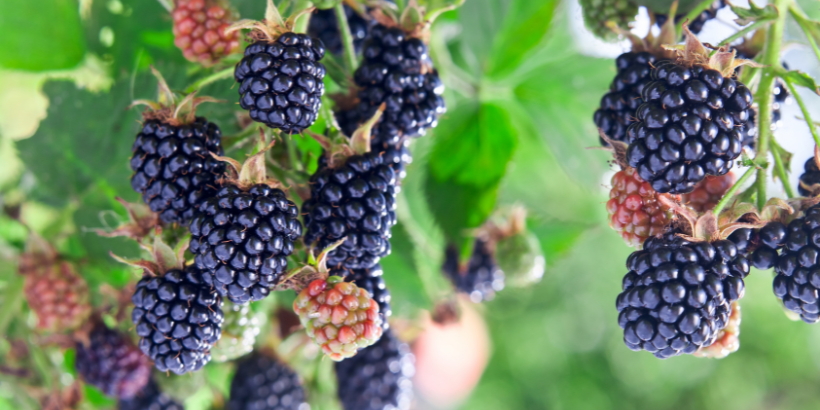
Looking for something to do with the berries you’ve been growing all season? Try making fruit-infused vinegars!
These recipes for blueberry-mugwort and blackberry infused vinegars allow you to get creative with ingredients to concoct unique flavors.
The following is an excerpt from Wildcrafted Vinegars by Pascal Baudar. It has been adapted for the web.
RECIPE: Blackberry-Infused Vinegar
This recipe should also work well with similar wild berries such as mulberries, raspberries, boysenberries, dewberries, currants, and so on. It’s pretty much identical to the Blueberry-Mugwort-Infused Vinegar process aside from the fact that we boil the berries with the vinegar instead of crushing them, but you can use the blueberry method if desired.
Ingredients for a 1-quart jar (1 L)
- 2 cups (12 ounces, or 340 g) blackberries
- Optional flavorings: I’ve made this flavored vinegar using all kinds of wild savory herbs, such as California sagebrush, yarrow, and mugwort (usually 2 to 3 leaves).
- A small, cracked pinyon pine branch (3 to 4 inches, or 7.5 to 10 cm) placed in the cold vinegar imbued a wonderful savory accent. Commercial savory herbs could include basil, fennel, or dill.
- 2 cups (480 ml) red or white wine vinegar (apple cider vinegar works great, too)
Procedure
Rinse the blackberries briefly under cold running water, making sure to remove any rotten berries. Place the berries and flavorings of your choice into a nonreactive pot (stainless steel or enamal coated), then add the vinegar. Bring the contents to boil, then reduce the heat and simmer for around 3 to 4 minutes. You can simmer for a shorter time when using tender berries such as raspberries.
Transfer the contents into a quart (1 L) jar. Cap tightly and place in a cool, dark place for 2 to 3 weeks. I like to shake the jar once a week.
Strain and transfer the vinegar into clean bottles or a pint (480 ml) jar. Seal tightly and store in the refrigerator or a cool, dark place (below 65°F/18°C). Shelf life for optimum flavors is around 6 months, or up to a year in perfect storage conditions.
RECIPE: Blueberry-Mugwort-Infused Vinegar
There are several methods for making vinegars flavored with berries. They are similar and somewhat interchangeable. Where I lived in Southern California, I made some coffeeberry vinegar using the recipe for blueberry-mugwort vinegar, as the texture of the berries is somewhat similar.
Ingredients for a 1-quart jar (1 L)
- 2 cups (12 ounces, or 340 g) fresh or frozen blueberries
- Optional flavorings: 2 to 3 dried mugwort leaves or a couple of dried yarrow flower heads (or leaves) or your own wildcrafted herbs
- 2 cups (480 ml) red or white wine vinegar
- 2 to 3 tablespoons (30–45 ml) maple syrup (or honey or sugar)
Procedure
Rinse the blueberries briefly under cold running water, making sure to remove any rotten berries. In a nonreac- tive container, crush the blueberries using a fork, spoon, or potato masher. You can also use your (clean) hands if you want—blueberries don’t tint your skin very much. It should take a minute or so. You’re not trying to make a puree; you simply want to break the berries so the flavors can imbue the vinegar. Transfer the crushed berries to a quart (1 L) jar and add the flavoring leaves (mugwort, yarrow, or wildcrafted herbs).
Heat the vinegar and maple syrup to just below boiling, then pour the mixture into the jar. Cap tightly and place in a cool, dark place for 2 to 3 weeks. I like to shake the jar once a week.
Strain and transfer the vinegar into clean bottles or a pint (480 ml) jar. Seal tightly and store in the refrigerator or another cool, dark place (below 65°F/18°C). Shelf life for optimum flavors is around 6 months and up to a year in perfect storage conditions.
Recommended Reads
The Vibrance of Vinegar: Methods to Make Vinegar From Scratch
Read The Book

Wildcrafted Vinegars
Making and Using Unique Acetic Acid Ferments for Quick Pickles, Hot Sauces, Soups, Salad Dressings, Pastes, Mustards, and More
$34.95
You may like...
-
 $40.00
 -
$34.95
-
$29.95


Recent Articles
Crab Apples are easy to find, simple to store, and incredibly flavorful. Keep reading to learn more about the unsung heroes of the apple family.
Read More
Try your hand at preserving veggies by freezing them! Freezing vegetables is a quick, simple way to preserve them for winter meals.
Read More
Add a rich and robust twist to your meals with help from red wine salt! This seasoning is a perfect addition to dishes like short rib, potatoes, and more.
Read More
Raspberries: they’re sweet, flavorful, and extremely versatile. Forage for raspberries yourself and use them to create delicious dishes!
Read More
This summer vegetable tian is the perfect easy side dish. Layers of eggplant, zucchini, tomato, & red onion make this dish healthy, colorful, and delicious!
Read More