

Lacto-Fermenting: A Faster Way to Ferment Vegetables
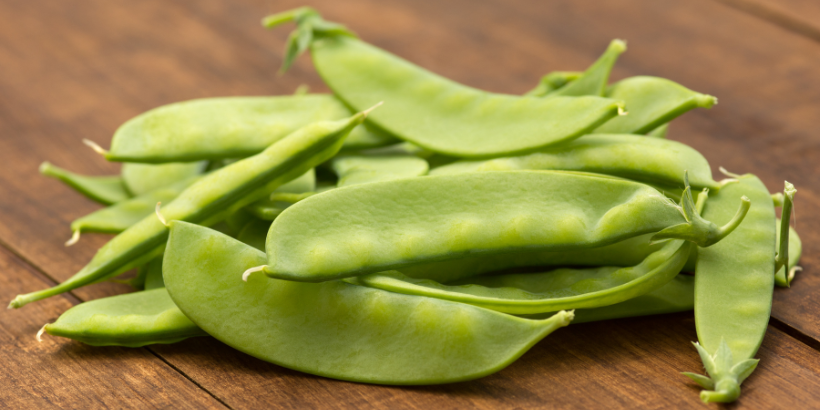
Looking for a faster way to ferment your vegetables? Lacto-fermenting, a fermentation method widely used in Japan, involves a special glass or plastic container that has a device for constantly pressing down the vegetables. With this method, you’ll be ready to eat your fermented veggies in as little as a few days!
The following is an excerpt from Preserving Food Without Freezing or Canning by Gardeners & Farmers of Terre Vivante. It has been adapted for the web.
Lacto-Fermenting Snow Peas and Cucumbers
Ingredients:
- ¼ lb. snow peas
- 1 cucumber
- Ground ginger
- 1 teaspoon salt
- A bit of sake (rice wine)
- A bit of soy sauce
- Seasoning to taste
- Glass or plastic pressure jars
Procedure
Remove the tough parts and string, but do not shell, the pea pods. Cook the peas for two to three minutes in hot water; then dip them immediately in cold water. Mix the drained peas with sliced cucumber. Put them in a pressure jar and press down. Eat with a dressing made separately, using the sake, soy sauce, ginger, and other seasonings.
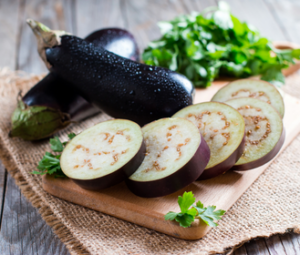

Lacto-Fermenting Eggplant and Chrysanthemum Petals
Ingredients:
- 1 lb. eggplant
- ¼ lb. dried chrysanthemum petals
- 2 or 3 whole cayenne peppers
- 1 tablespoon kombu seaweed
- 2 tablespoons salt
- Glass or plastic pressure jars
Procedure
Slice the eggplant into ½-inch thick rounds, and let them dry in the sun for one day. Finely chop the peppers. Put the chrysanthemum petals at the bottom of the jar, and add salt. Layer, alternating two slices of eggplant with pieces of kombu seaweed, peppers, and salt, until all ingredients have been used. Press the mixture down firmly in the jar; loosen slightly once the liquid appears. The mixture will be ready to eat in two or three days. Keeping time is limited to about one week.
—Michel Mangin, Aix-en-Provence
Recommended Reads
Read The Book

Preserving Food without Freezing or Canning
Traditional Techniques Using Salt, Oil, Sugar, Alcohol, Vinegar, Drying, Cold Storage, and Lactic Fermentation
$25
You may like...
-
 $29.95
 -
$34.95


Recent Articles

This bright, yet delicate flavor profile is both sweet and sour – a unique taste that you’ll keep coming back to. This recipe is intended for long, slow fermentation starting at persimmon harvest time in the autumn and continuing into winter.
Read More
This triple apple snack cake uses applesauce, cider, and apples for a one-two-three apple punch. Don’t take our word for it though, give it a go yourself!
Read More
These small fruits are a delicious source of nutrients that you can find almost anywhere. Get started on acorn harvesting with help from these simple tips!
Read More
Want an on-the-go snack without having to go to the grocery store? Whip up this homemade applesauce for a fresh fall snack whenever you get the craving!
Read More
The possibilities are pretty much endless with wild ingredients — use almost any fresh fruit or juice and a sweetener to create your own custom jam or syrup!
Read More