

Best Homemade Vegetarian Miso Soup with Dashi Broth
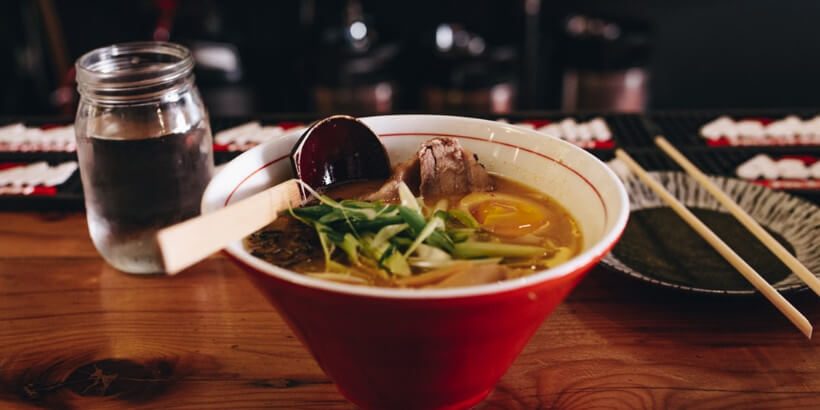
Have you tried Japanese miso or noodle soup? You will fall in love with the hearty flavor and feeling of comfort it provides. Miso soup is often served as a starter, preparing the digestive system for a meal with warmth and healthy bacteria.
Medicinal healing foods can be delicious, nutritious, easy to make, and affordable, so they are accessible for everyone. Soup is soulful slow food to feed your body, one delightful spoonful at a time.
The following excerpt is from The Healthy Bones Plant-Based Nutrition Plan and Cookbook by Laura Kelly, Helen Kelly, Jummee Park. It has been adapted for the web.
I remember the cold, brisk winters of my childhood. My mom always made delicious soups, and when I arrived home with a frozen chin, sipping the warm soup would melt my heart and warm my body immediately.
I design broths and soups with diverse seasonal ingredients and different nutritional balances. As you explore, you may begin creating your own signature soups that will curb your hunger and become good medicine for your body and spirit.
Let’s toss out the outmoded idea that healthy food has to be plain and dull. Medicinal healing foods can be delicious, nutritious, easy to make, and affordable, so they are accessible for everyone. Soup is soulful slow food to feed your body, one delightful spoonful at a time.
You can double or triple the recipes so you’ll have extra portions saved in the freezer for a quick meal in the future. The flavors become even richer with longer storage!
Miso Soup with Dashi Broth
Makes 4 servings

Have you tried Japanese miso or noodle soup? You will fall in love with the hearty flavor and feeling of comfort it provides. Miso soup is often served as a starter, preparing the digestive system for a meal with warmth and healthy bacteria.
Miso is a fermented soybean paste widely consumed in Korea and Japan. It comes in many forms, colors, and different taste profiles. The slow-aged fermentation process is the key to the beneficial bacteria. Miso is a complete source of protein and rich in a variety of nutrients and beneficial plant compounds.
For this recipe I chose white miso, a mild, low-sodium option. This recipe also contains miyeok, which is a Korean sea green that is called wakame in Japanese. Make this dashi broth on a lazy Sunday after sourcing all the ingredients from your farmers market, and let it simmer for a couple of hours while you read the paper.
For the Dashi Broth
- 2 medium shiitake mushrooms
- 1/4 cup (25 g) bean sprouts or mung bean sprouts
- 5 cups (1.2 L) filtered water
- 1 garlic clove
- 1/2 cup (60 g) sliced white radish
- 2 (3-inch [8 cm] square) pieces dried kelp
For the Miso Soup
- 1/4 cup (60 g) cubed semi-firm tofu
- 1/4 cup (30 g) shredded white radish
2 tablespoons (10 g) small pieces dried miyeok (wakame) - 2 tablespoons thinly sliced scallions
- 4 teaspoons low-sodium white miso paste
- 1/8 teaspoon ground ginger
1. Make the dashi broth: Clean the mushrooms and rinse the sprouts. In a large cast-iron pot, add the water, mushrooms, sprouts, radish slices, garlic, and kelp and bring to a boil. Then lower the heat and simmer until the broth reduces by 20 percent, which will take 40 minutes to 1 hour. Turn off the heat, and let it sit for another 30 minutes so all the flavors will be incorporated into the broth. Strain the broth and discard the solids. Reserve 3 cups (720 ml) of the broth for the soup; any leftover broth can be stored in the freezer for another day.
2. Make the soup: Divide the tofu, shredded radish, miyeok, and scallions equally between two serving bowls.
3. Add 3 cups (720 ml) of the dashi broth to a medium pot and turn the heat to high. Add the miso and ginger, then reduce the heat to a simmer. Break up the miso paste by whisking it into the broth. After 2 to 3 minutes, remove from the heat. Gently pour the hot broth over the ingredients in the serving bowls. Serve immediately.

Tips
Save the roots, skins, and trimmings from garlic, onions, celery, and other vegetables for making your next vegetable broth. The outer skins and roots provide an excellent source of nutrition and may have cleansing anti-fungal and anti-inflammatory properties.
To enhance the flavor of any soup, combine vegetable broth and rice water in a ratio of 1:1, and boil them to make rice broth. Rice broth is nutty, creamy, and rich.
Recommended Reads
Read The Book

The Healthy Bones Plant-Based Nutrition Plan and Cookbook
How to Prepare and Combine Plant Foods to Maintain Optimal Bone Density and Prevent Osteoporosis
$39.95
You may like...
-
 $35.00
 -
$34.95
-
$29.95


Recent Articles

Did you know that more than just the seeds of a sunflower are edible? Almost every part of a sunflower are completely safe and delicious when cooked correctly.
Read More
With this recipe for a rainbow pickled veg plate, you can turn simple vegetables into a delectable dish that your guests will be craving all season long.
Read More
Dig into the many varieties of grass seeds, learn about toxicity, and review a list of edible grass seeds. Happy foraging!
Read More
All hail the joyful juneberry! While these berries taste wonderful when they’re fresh, you can also preserve them and create beverages with them.
Read More
Looking for something to munch on that’s both tasty and good for you? These ginger carrots are a healthy snack that are easy to make at home! The following excerpt is from The Heal Your Gut Cookbook by Hilary Boynton and Mary G. Brackett. It has been adapted for the web. Ginger Carrots Recipe…
Read More