

Make Your Own Apple Kimchi
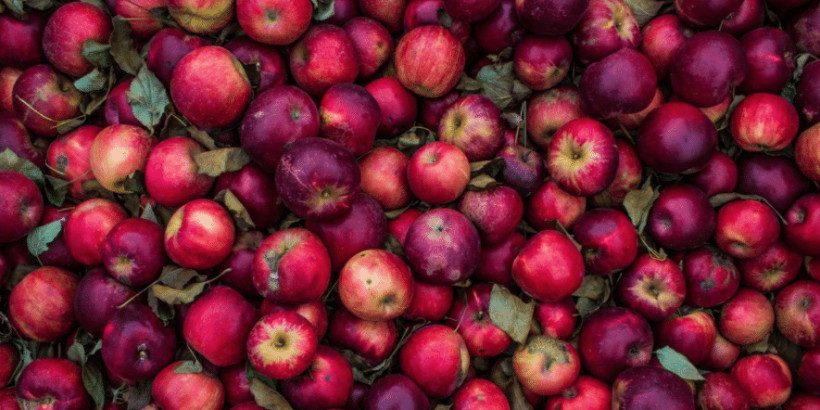
Kimchi is a tangy and spicy meal with many varieties, including some with fruits. This recipe for apple kimchi adds a seasonal twist to a classic Korean dish!
The following is an excerpt from Black Trumpet by Evan Mallett. It has been adapted for the web.
RECIPE: Apple Kimchi
Denise gave me a 5-gallon ceramic “rot pot” for my birthday one year. I made my favorite crock pickle recipe from our garden’s bounty of heirloom cukes. Then came more complex ferments. Soon, I came to realize that fermentation is not as scary as it seems.
I went through a two-year phase of fermentations for home before I came up with one I liked enough to try at the restaurant. Our staff went nuts for Apple Kimchi. It was like cuckoo for Cocoa Puffs, but with a really healthy result.
Makes about 4 glass 1-quart (1 L) jars
 Ingredients
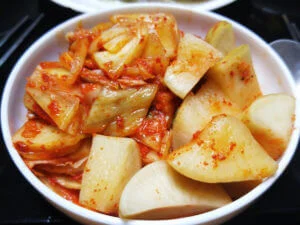
- 1 head napa cabbage, outermost leaves removed, quartered lengthwise, core removed, and chopped crosswise in 1/4-inch (0.5 cm) ribbons
- 1 head red cabbage, outermost leaves removed, quartered lengthwise, core removed, and chopped crosswise in 1/4-inch (0.5 cm) ribbons
- 1 large Spanish onion, julienned
- 1 large carrot, grated
- 8 ounces assorted fresh chiles, rough-chopped, with seeds intact
- 1 head garlic, cloves peeled and thinly sliced
- 1 thumb gingerroot, peeled and sliced (1 1/2 tablespoons)
- 12 cups (2.8 L) water
- 1 cup (235 ml) cider vinegar
- 6 apples, preferably a dense heirloom variety like Blue or Gray
- Pearmain
- 1 1/4 cups (185 g) salt
- 1/3 cup (80 ml) maple syrup
- 1 stalk Mexican mint marigold (can substitute tarragon or fennel frond)
Procedure
- Mix the first seven ingredients in a large bowl, then pack in a 5-gallon (20 L) ceramic fermenting jug.
- On the stove, bring the six remaining ingredients to a boil, stir to ensure that the salt is fully dissolved, let cool, and pour into the fermenter, placing a plate or weight on top to fully submerge the veggies. Don’t worry if, at first, the vegetables are not fully submerged. They will be after a few hours of being pressed. In 3 days, the fermentation process will be under way.
- Remove the weight and inspect the top for any signs of mold. If there is mold forming, remove the surface vegetables that are hosting the mold and then—with clean tongs—stir the contents of the pot, replacing the weight and letting the ferment sit for another 3 days.
- Repeat the inspection process and let sit for 4 more days. After this 10-day period, the ferment should be sour, lightly effervescent, and full of intense flavor.
- At this point, you can choose to let it go longer for more intense flavor or pack the kimchi into sterilized quart jars, filling up each jar to the very top with the fermenting liquid, then tightly lidding the jars before refrigerating. I have kept ferments of this nature in my refrigerator for over a year, but you may want to err on the side of caution and consume it over a shorter time frame.
Recommended Reads
Read The Book

Black Trumpet
A Chef's Journey Through Eight New England Seasons
$40
You may like...
-
$34.95
-
$29.95
-
$29.95


Recent Articles

The possibilities are pretty much endless with wild ingredients — use almost any fresh fruit or juice and a sweetener to create your own custom jam or syrup!
Read More
Fermenting mead is an ancient practice. With step-by-step instructions, learn how to brew fruit-based and flower meads, from foraging to fermenting.
Read More
Small But Mighty! Crab Apples are easy to find, simple to store, and incredibly flavorful. Keep reading to learn more about the unsung heroes of the apple family.
Read More
Try your hand at preserving veggies by freezing them! Freezing vegetables is a quick, simple way to preserve them for winter meals.
Read More
Add a rich and robust twist to your meals with help from red wine salt! This seasoning is a perfect addition to dishes like short rib, potatoes, and more.
Read More