

Replace Your Soap with Soapy Plants
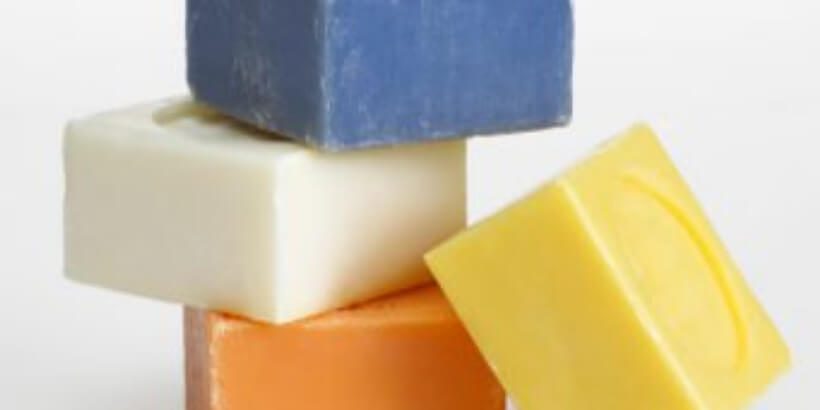
Sick of chemical-filled soaps that leave your hands feeling dirtier than before you washed them? Then we’ve got the project for you! Do it yourself soap with soapy plants! It’s as simple as adding water.
The following project is from When Technology Fails by Matthew Stein. It has been adapted for the web.
There is something inherently satisfying about making soap. Maybe it relates to the 4,500+ year history of human soap making; maybe it simply reflects a desire to keep the jungle at bay and put our stamp on our personal environment. For pioneer women, soap making was an annual event, often lasting for days while lye was leached from wood ashes saved from the winter fires and then cooked with fat as the spring thaw began.
—Dr. Robert S. McDaniel, Essentially Soap
Soaps and detergents are both known as surfactants. Surfactants reduce the surface tension of water, causing the water to fully wet both the object to be cleaned and the debris, encouraging the debris to wash away. According to Susan Miller Cavitch, author of The Soapmaker’s Companion, soap molecules also have a distinct head and tail, one end having an attraction to water and the other end having an attraction to dirt. This property helps soap molecules to connect the dirt to the water, further enabling the water to wash away the dirt.
Soapy Plants
There are a number of plants that can be used as a substitute for soap without any chemical processing. These plants contain naturally occurring soap-like substances, called saponins. Bouncing bet (also called soapwort), clematis, and yucca are three common North American plants with significant saponin content. It has been said that Native Americans bathed regularly and were often appalled by the smell of white pioneer men. To use any of these plants for soap, chop up the appropriate part of the plant and rub it between your hands with some water or dry it for future use. Before trying a full dose on your body, test for allergic reactions by rubbing a bit onto the inside of your wrist and waiting one day to make sure there is no adverse reaction. Because saponins are somewhat poisonous, and Native Americans have used them to paralyze fish, you do not want to eat these plants, except perhaps for the edible fruits and flowers of the yucca family (Brill 1994, 134).
Bouncing Bet
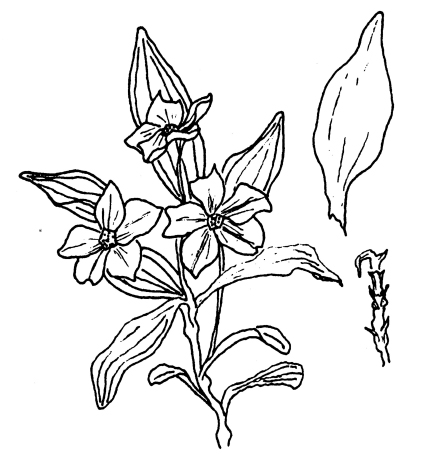
Figure 14-1. Bouncing bet. Illustration courtesy of Earth Knack: Stone Age Skills for the 21st Century by Bart and Robin Blankenship (Gibbs Smith, 1996).
Do not use bouncing bet on your face, because it is very irritating to the eyes. Collect bouncing bet in the late summer to fall. Found nationwide, it is easiest to identify by its pretty white or pink flowers with five petals. You can use the entire plant (Blankenship and Blankenship 1996,142).
Clematis
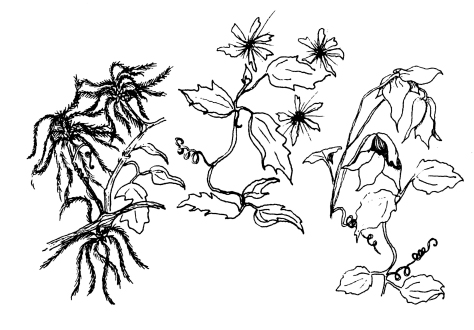
Figure 14-2. Clematis. Illustration courtesy of Earth Knack: Stone Age Skills for the 21st Century by Bart and Robin Blankenship (Gibbs Smith, 1996).
Clematis is a common climbing vine with white or purple flowers, and is often found dominating the tops of trees. Collect the leaves and flowers for use as soap (Blankenship and Blankenship 1996,142).
YUCCA, AGAVE, SPANISH BAYONET, SOTOL, AND JOSHUA TREE
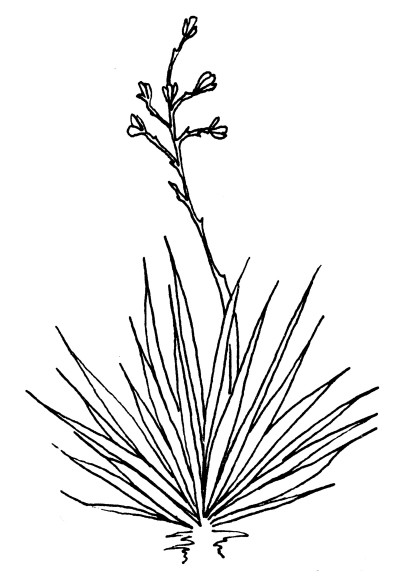
Figure 14-3. Yucca. Illustration courtesy of Earth Knack: Stone Age Skills for the 21st Century by Bart and Robin Blankenship (Gibbs Smith, 1996).
These traditional desert-dwelling plants also contain saponins. The root contains the most saponins, but use of the root kills the plant, so please don’t use this plant frivolously. If you are pounding and soaking the leaves for fiber to make cordage, the soaking water will contain sufficient saponins for bathing (Blankenship and Blankenship 1996,143).
Recommended Reads
Everything You Need for a Grab-n-Go Survival Kit: Prepping 101
Read The Book

When Technology Fails
A Manual for Self-Reliance, Sustainability, and Surviving the Long Emergency, 2nd Edition
$35
You may like...
-
 $24.95
 -
$34.95
-
$24.95


Recent Articles

These small fruits are a delicious source of nutrients that you can find almost anywhere. Get started on acorn harvesting with help from these simple tips!
Read More
Enjoy fresh produce all year long by growing your own food! Achieving a twelve-month growing season is as simple as using the right crop protection structure.
Read More
Want an on-the-go snack without having to go to the grocery store? Whip up this homemade applesauce for a fresh fall snack whenever you get the craving!
Read More
Beets can be grown year-round and are a perfect, flavorful addition to meals. Get started on growing your own no-till beets with help from these tips!
Read More
The possibilities are pretty much endless with wild ingredients — use almost any fresh fruit or juice and a sweetener to create your own custom jam or syrup!
Read More