

NEW RELEASES
-

-

Eat Your Garden
$34.95





RECOMMENDED READS: DIG INTO OUR ARTICLES

Grow Mushrooms on Your Jeans. Seriously.
Do you have an old, worn-out pair of jeans in your dresser? Instead of throwing them out, try to grow mushrooms on them. Follow these guidelines to get started.
Read More
How to Brew Mead at Home: Ginger-Apricot Mead Recipe
Mead is one of the oldest fermented beverages and is made by fermenting honey with water, offering countless flavor possibilities. Let’s dive into the world of mead making!
Read More
Sip Your Way to Better Health: Anti-Inflammatory Cocktail Recipe
Learn how to make the anti-inflammatory cocktail, Gates of Immortality! This is a vibrant, botanical twist on the classic Whiskey Smash.
Read More
Garden Strawberries — A Sweet and Delicious Ground Cover
If you’re planning out a forest garden, or are just looking for a plant to use as ground cover, garden strawberries are a great option.
Read More
8 Steps to Fermented Hot Sauce With Wild Greens
Hot sauce fans, this one’s for you! This easy recipe for fermented hot sauce with wild greens is sure to add an extra punch of flavor to your favorite meal.
Read More
Step-by-Step Guide: How to Grow Oyster Mushrooms on Straw
Discover the magic of oyster mushrooms! They can grow almost anywhere. Straw is a surprisingly simple way to cultivate the ever-popular oyster mushrooms.
Read More
Grow Mushrooms on Your Jeans. Seriously.
Do you have an old, worn-out pair of jeans in your dresser? Instead of throwing them out, try to grow mushrooms on them. Follow these guidelines to get started.
Read More
How to Brew Mead at Home: Ginger-Apricot Mead Recipe
Mead is one of the oldest fermented beverages and is made by fermenting honey with water, offering countless flavor possibilities. Let’s dive into the world of mead making!
Read More
Sip Your Way to Better Health: Anti-Inflammatory Cocktail Recipe
Learn how to make the anti-inflammatory cocktail, Gates of Immortality! This is a vibrant, botanical twist on the classic Whiskey Smash.
Read More
NEW RELEASES

-

The Accidental Seed Heroes
$29.95 -
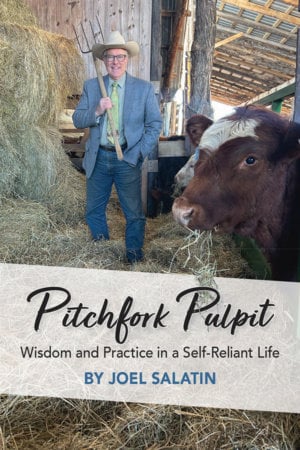
Pitchfork Pulpit
$25.00 -

Back in Control, 3rd Edition
$24.95 -

One-Cow Revolution
$24.95


