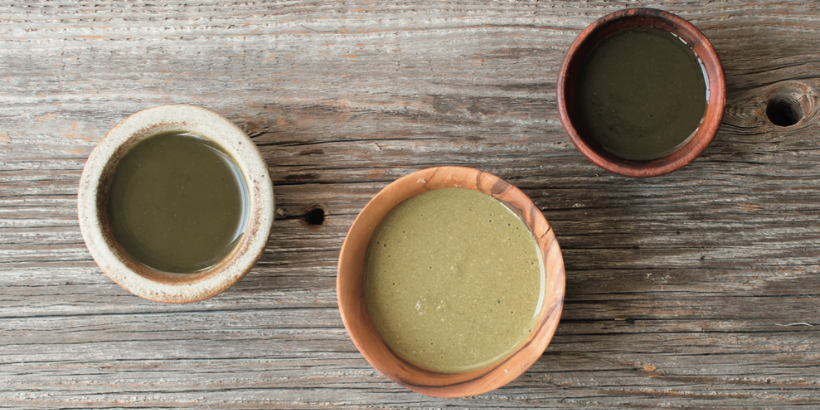
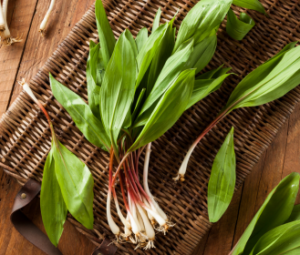
Looking for a delicious (and spicy) DIY project to work on this spring? This recipe for foraged, tabasco-style ramp hot sauce is sure to turn up the heat.
One of my favorite ways to preserve ramp leaves is to dehydrate them, then crumble them before adding to recipes.
Dried ramp leaves lend a telltale aroma to foods but are milder in flavor than either onion or garlic powder, so you can use more of them in your cooking.
They also make a good base ingredient for rubs and seasonings.
Drying Ramp Leaves
To dry them, put clean leaves in a dehydrator, making sure to use high heat (145°F/60°C or higher) until the leaves are cracker-dry.
Drying at lower temperatures can yield chewy, soft leaves—still delicious, just chewy and difficult to grind to a fine powder.
Once dehydrated, store the leaves in an airtight bag or jar, and crumble as needed. For a fine powder for making rubs, grind the dried leaves in a coffee grinder or high-speed blender.
RECIPE: Tabasco-Style Ramp Hot Sauce
Makes about 3 quarts (3 L)
The holy grail of ramp sauces in my world: a long-fermented hot sauce modeled after Tabasco. This makes 3 quarts (3 L), so consider making a half recipe if you don’t want a lot of hot sauce, or if it’s your first time making it.
That being said, once you taste this sauce on a plate of eggs, you might want to start doubling the recipe. It’s a great DIY project to start in the spring and enjoy in the cold months.
Ingredients
1 ounce (28 g) kosher salt
2 cups (480 ml) water
14 ounces (400 g) ramp leaves
2 pounds (910 g) jalapeño peppers, stemmed and chopped, seeds included, to yield about 13/4 pounds (795 g)
3 1/2 cups (850 ml) cider vinegar
1 1/2 teaspoons xanthan gum
Procedure
Add the salt to the water, and whisk to dissolve. Chop the ramp leaves, combine with the jalapeños, and pack into a 3-quart (3 L) (or larger) container.
Pour the salt water over the ramp mix, cover tightly, and store in a cool, dark place for 2 weeks, stirring every few days. After the fermentation stops, the mixture will be stable, and you won’t need to stir it (or “burp” it, as chefs say) regularly.
Continue aging the mixture for at least 2 months, and up to 6.
To finish the sauce, add the cider vinegar and purée 4 cups (945 ml) at a time (or less, if you have a small blender), adding 1/2 tea- spoon of xanthan gum to each 4-cup batch to thicken it slightly.
Strain the sauce for the smoothest finished product, discarding the leftover solids.
From here, the sauce can be canned and processed in a water bath, which I recommend if you’re giving it as a gift. It’s fine stored at room temperature, but will keep the brightest flavor if refrigerated after opening. It will keep indefinitely.
Simply stopping to brew and drink a tea benefits nervous tension! Next time you’re feeling stressed, take a break and brew some tea. Better yet, brew this tea before you’re stressed out as a preventative measure.
Warm up with a bowl of Japanese miso soup! Hearty, comforting flavor that will leave you craving more. Slow food for the soul: nourishing your body one spoonful at a time.
Ditch ordinary spices and unlock your local flavors with wild seeds! Dill Weed Seasoning is a simple, tasty blend of dried herbs and wild dill weed. It makes a delicious, flavorful, versatile spice mix to season many dishes.
Warm up this winter! Introducing our veggie-packed root vegetable pot pie. A good winter root vegetable pot pie is easier said than done. Ours is vegetarian friendly and packed with flavor. Nourishing and delicious!