

Wild Apples, Real Cider, and the Complicated Art of Making a Living
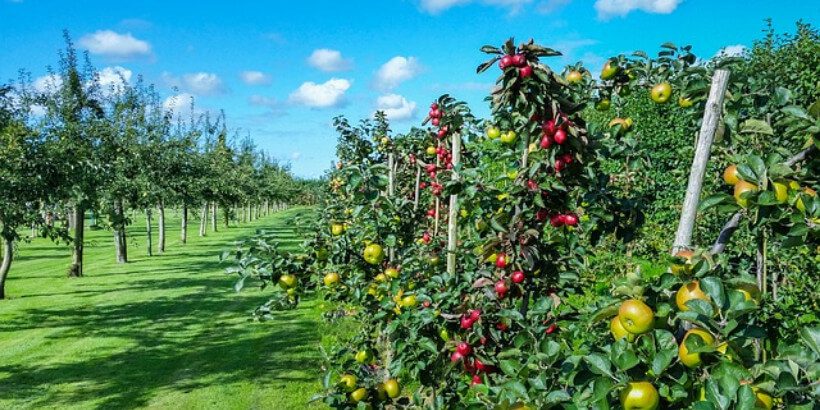
“Loving apples or cider is not a prerequisite for loving this book. All that is needed is the willingness to follow a vibrant narrative voice driven by the pursuit of dreams.”—Alice Feiring
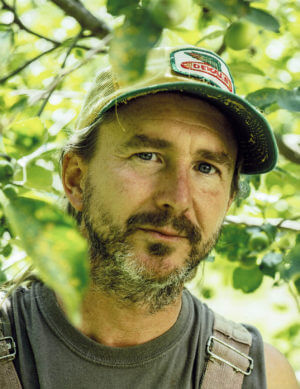
Andy Brennan owns Aaron Burr Cider in New York’s Catskills region. Since its founding in 2011, Aaron Burr Cider has become well known among cider enthusiasts for its natural approach to cider making using wild apples and yeasts. As a prominent figure in the growing US cider movement, Andy has been featured in print media and on television, radio, and podcasts. He regularly speaks about natural apple growing and cider production at museums, trade events, festivals, restaurants, and anywhere local food enthusiasts are found.
The following is an excerpt from Uncultivated: Wild Apples, Real Cider, and the Complicated Art of Making a Living by Andy Brennan. It has been adapted for the web.
When I was almost three years old, I said my first word: “Apple.”
This was in the autumn of 1973, nearly 100 miles from Washington, DC, in the rugged landscape of western Maryland where the Appalachian ridges ripple like a series of long waves, unfolding one after the next toward the headwaters of the Potomac. Dotting the hillsides were homestead farms, and below in the valley floors there remained old brick villages that appeared just as they had when General Lee stormed up, bringing the fight to Union soil.
 Outside the town hall in one of these hamlets, a giant pome sculpture served as the focal point of the lawn just the way an obelisk or water fountain would. It was this sight, the giant apple, that piqued the interest of the boy in the backseat.
Most children are saying full sentences long before their third birthday, but I was waiting for the vision of an apple to start talking.
To modern folks apples are considered a healthy snack, and not much more. But beyond the tempting fruit, the tree has long held a special place in our collective unconscious. It continues to emerge and reemerge, as it has for thousands of years. The tree is mysteriously part of who we are, even now, well into the modern era.
The easiest way to appreciate our cultural connection to apple trees is to draw similarities between two species: Malus domestica (the modern apple) and Canis lupus familiaris. The latter, the common dog, is our companion animal, while the former, the common apple tree, is our companion plant. One is “man’s best friend,” and the other is “the giving tree.” Although we immediately relate to the animal kingdom, we can also relate to the plant kingdom in profound ways.
We are all living beings with shared goals.
The relating is slower and more obtuse, but we have developed a great language for relating with apple trees, greater than with any other plant. No doubt we still have uncommon compassion for them.
How rare is it that we can empathize with a plant! Though hardly anyone lives with apple trees anymore, the bond still strongly exists. And what great satisfaction it brings me to see examples of this reunion, like when property owners begin clearing land and discover an apple tree. Determined as they are to chop down everything in sight, suddenly the chain saw goes silent when they happen upon an apple tree! Even very old, sick trees are spared and nursed for dozens of years.
I’m a sucker for this. But a frightful proposition rises in me: As the general population expands and we are increasingly removed from farming, how will that empathy erode? And if it vanishes for the apple tree, what does that say of our empathetic connection with other living beings? Fearful as I am, I can also imagine the opposite happening: Couldn’t we also expand upon our empathy for apple trees (as we seem to for dogs) and allow that compassion to reach other living beings, endangered creatures, and all of nature?
Recommended Reads
Read The Book

Uncultivated
Wild Apples, Real Cider, and the Complicated Art of Making a Living
$27.95
You may like...
-
 $44.95
 -
$44.95
-
$29.95


Recent Articles

There are reasons that miso paste has become popular around the world: it’s versatile, relatively inexpensive, and can be made in a range of flavors you’d be hard-pressed to find anywhere else. And better yet, you can even make miso at home!
Read More
Wondering where to forage for greens this spring? Look no further than hedges, which serve as natural havens for wild greens and herbs!
Read More
Homemade cheese doesn’t have to be complicated, all you really need is a handful of ingredients, time and a love of cheese.
Read More
Rewilding is one of the best things you can do for the biodiversity of your farm or garden. By no longer mowing your lawn, flowers will start to grow.
Read More
Tired of trying different traditional medicines to relieve inflammation and joint pain? We have the perfect solution: honey bee venom.
Read More