

A New Kind of Cowgirl
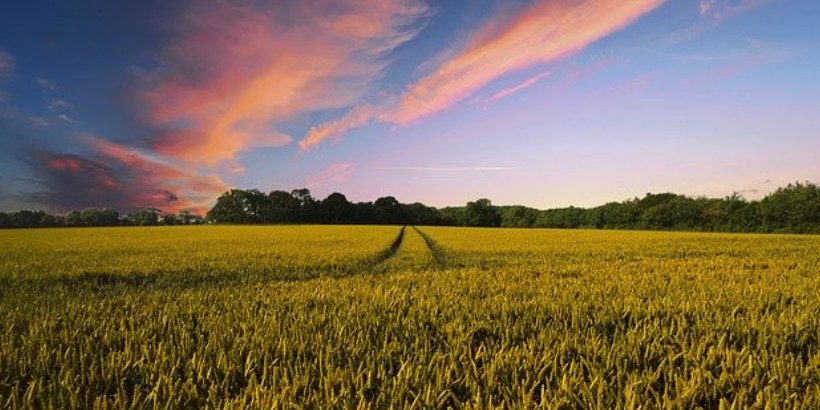
Meat eaters rarely see how the sausage (or in this case, steak) is made. At the New Cowgirl Camp, like-minded women come together to learn how to raise livestock sustainably and change the meat industry for the better.
The following is an excerpt from The Reindeer Chronicles by Judith D. Schwartz. It has been adapted for the web.
At the New Cowgirl Camp, we don’t mess around.
After a quick breakfast around a long, hardwood table—handcrafted by our host Beth Robinette’s husband, Matt—we’re divvying ourselves into cars. We have to rush to get to the cattle area in time to observe the butchering of a cow.

This is a lot to take in. Clearly, there’s no room for squeamishness in this program. “If you don’t like it, you probably shouldn’t eat it,” says my fellow camper Alexandra Machado, who raises goats and produces cheese on two hectares (five acres) in western Washington.
“Ninety percent of our business is custom beef,” says Beth, who represents the fourth generation of her family to steward the Lazy R Ranch in Cheney, Washington. She runs the cattle (and now sheep) operation with her father, Maurice, and a part-time apprentice. “You can kill on-farm. It is more humane.” The team that harvests the cattle comes to the Lazy R about every other week to process two or four from the herd.
Beth wears a red-and-black-checked flannel shirt and jeans, her blond hair drawn high and back. She laments the lack of markets for perfectly good cowhides. The processors are no longer taking them, she says. “The supply chains haven’t been worked out. Like most parts of our food system, it’s disconnected.” At the Lazy R, she says, “we’re using as much of the animal as possible. The hooves are used in gelatins. Organ meat has become more popular. Tongue is popular in the Hispanic community. Heart is not as popular, but some people will take all I’ve got.” Indeed, a short while later a man shows up to collect the tripe, or lining of the stomach, from one of the discard pails. It is the size of a small throw pillow and looks like honeycomb.
Our co-instructor Sandra Matheson says slaughtering has risen in price: “It costs me $2.50 a pound to get the meat USDA-wrapped.” A retired veterinarian, Sandra raises cattle for beef and breeding in the far northwest part of the state, sixteen kilometers (ten miles) from the Canadian border. She also has yaks, and was among the first in the United States to successfully breed yaks via artificial insemination (AI). Compared with beef, she says, “Yak has a mild flavor. It’s leaner and higher protein.” She recently received a USDA grant to develop yak sausage, which she says we will try later in the week. The animals, native to Tibet and the Central Asia highlands, produce both wool and coarse hair “as fine or finer than cashmere.” She says yak babies are cute, but that “a frightened yak is a dangerous animal.” I don’t doubt her.
The cost-of-processing conversation segues to genetics, a hot topic among ranchers. Sandra’s cattle are a Simmental/Angus mix. “I select genetically for marbling on grass,” she says. “I look for natural fatness. We usually butcher at eighteen to twenty-four months.”

Each of us, leaning against the fence or snapping photos with our phones, takes in every word. All these details matter: the processing and supply chains; maintaining herd genetics; how to assess snortiness and danger. For this weeklong workshop is more than a lark, a chance to hang out in a scenic western landscape with like-minded women. For most of the group, it is an initiation to a career working with livestock on the range.
In Beth’s words,“We are assembling an army of cowgirls to change the world.”
Recommended Reads
Read The Book

The Reindeer Chronicles
And Other Inspiring Stories of Working with Nature to Heal the Earth
$22.95
You may like...
-
 $29.95
 -
$24.95
-
$35.00


Recent Articles

The leaves are falling, which means it’s time start figuring out what to do with them. This year, try turning your fallen leaves into mulch for your garden!
Read More
Enjoy fresh produce all year long by growing your own food! Achieving a twelve-month growing season is as simple as using the right crop protection structure.
Read More
Beets can be grown year-round and are a perfect, flavorful addition to meals. Get started on growing your own no-till beets with help from these tips!
Read More
All hail the mighty garlic clove! Become a master at garlic growing with these simple tips for growing no-till garlic from seed to harvest.
Read More
Try your hand at preserving veggies by freezing them! Freezing vegetables is a quick, simple way to preserve them for winter meals.
Read More