

Fruity Ferments: End of Summer Fruit Kvass
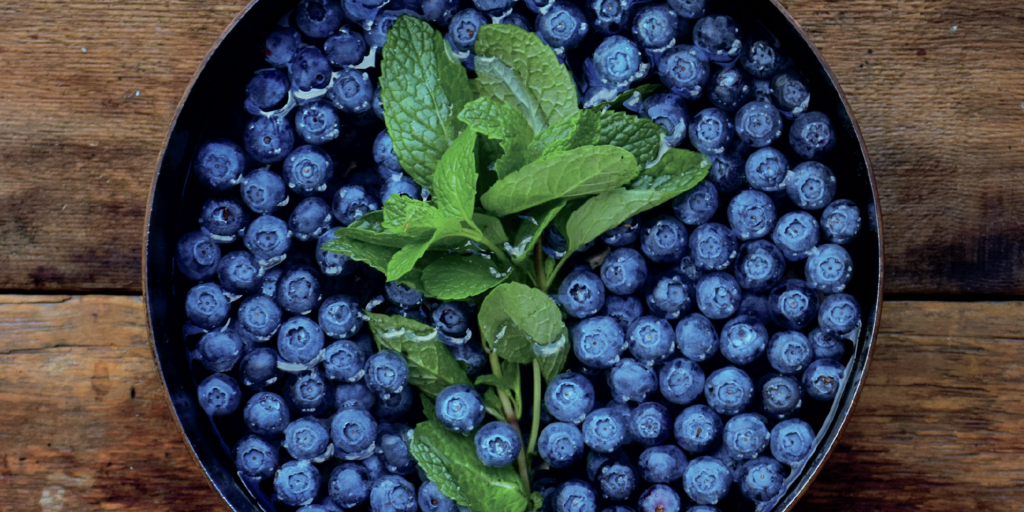
Fruit kvass is a great first ferment for beginners. All you need is fruit, whey or ginger bug, and jar to hold the ferment. Start this recipe today, and you’ll be enjoying a delicious fizzy drink in about three days!
The following excerpt is from The Wildcrafting Brewer by Pascal Baudar. It has been adapted for the web.
Fruit Kvass: Fermented Fruit Drinks
When it comes to fermentation methods, you can’t get any simpler than this one: Place your fruits or berries into a pot, maybe crush or cut them a bit, add some herbs for flavors, and voila!—the wild yeast already present does the work. The more I do this type of fermentation, the more I tend to believe that this was how the original primitive wines were created.

Fruit kvass are a bit different, often mainly composed of more fibrous and fleshy fruits like apples, pears, apricots, kiwis, strawberries, and so on. But there are no real rules, either.
My “lazy” wine usually has more alcohol than a regular fruit kvass, but it’s (usually) not fermented fully like a regular wine. If I had a scale for fermented fruit or berry beverages, it would look like this:
Light fermentation for sodas: 1 percent alcohol or less
Fruit kvass: 1 to 3 percent alcohol
Lazy wine: 3 to 5 percent alcohol
Country wine: 5 percent alcohol and up
I call it this sort of fermented beverage a “lazy wine” because it’s so easy to make. About the only effort required is shaking a container a few times daily and maybe adding some sugar during the process.
The idea is that you taste your fermenting concoction as you go along, and you can stop anytime. Some people may like a young wine with only a bit of fermentation, while others may be more interested by a more alcoholic drink. I’ve fermented some wines for just a week and others for a month. In some cases, I might even decide at the end to squeeze and extract the fermented juice, then age it in a separate container.
Recipe for Fruit Kvass

I think it’s stretching the definition of a little bit, but if you do some research, you will find that, yes, there are such drinks as kvass made with just one fruit/berry or mixed fruits/berries.
Interestingly, some recipes use yeast (usually from a ginger bug) and sugar, while others recipes use whey as starters. Both methods work, but with the whey method (lacto-fermentation), the flavors are a bit more sour.
Procedure for Wild Yeast
- Cut your fruits in fairly large pieces. Some berries may need to be smashed a bit.
- Pack a ½-gallon (2 L) jar with enough berries and fruits to fill 70 to 80 percent of its volume.
- Pour in ½ cup (120 ml) ginger bug
- Add filtered water to almost fill the jar, leaving about a 1-inch (2 cm) head space.
- Add ⅓ to ½ cup (75–100 g) white sugar and shake the jar.
- Don’t screw on the lid too tightly; you want fermentation gases to escape. Three times a day, screw the lid down tight and shake for 10 seconds or so, then unscrew the lid again a bit. Depending on the temperature, after 2 or 3 days you should have a nice fermentation going. The drink is now ready to enjoy. It may be a good idea to place a plate under the jar, as sometimes when the fermentation is very active it can push the fruits/berries up and some leakage may occur. This usually doesn’t happen with large chunks of fruit.
Note: You could also use ½ cup (120 ml) of raw unpasteurized honey instead of sugar. The raw honey contains wild yeast, so it’s not necessary to use ginger bug.
Procedure for Whey
- Cut your fruits in fairly large pieces. Some berries may need to be smashed a bit.
- Pack a ½-gallon (2 L) jar with enough berries and fruits to fill 70 to 80 percent of its volume.
- Pour in ½ cup (120 ml) whey.
- Add filtered water to almost fill the jar, leaving about a 1-inch (2 cm) head space.
- Add ⅓ to ½ cup (75–100 g) white sugar and 1 teaspoon (5.5 g) salt. Shake the jar.
Finish your kvass using the same method as for fruit/berry kvass using wild yeast, above.
Recommended Reads
Read The Book

The Wildcrafting Brewer
Creating Unique Drinks and Boozy Concoctions from Nature's Ingredients
$29.95
You may like...
-
 $29.95
 -
$24.95
-
$29.95


Recent Articles

Did you know that more than just the seeds of a sunflower are edible? Almost every part of a sunflower are completely safe and delicious when cooked correctly.
Read More
With this recipe for a rainbow pickled veg plate, you can turn simple vegetables into a delectable dish that your guests will be craving all season long.
Read More
Dig into the many varieties of grass seeds, learn about toxicity, and review a list of edible grass seeds. Happy foraging!
Read More
All hail the joyful juneberry! While these berries taste wonderful when they’re fresh, you can also preserve them and create beverages with them.
Read More
Looking for something to munch on that’s both tasty and good for you? These ginger carrots are a healthy snack that are easy to make at home! The following excerpt is from The Heal Your Gut Cookbook by Hilary Boynton and Mary G. Brackett. It has been adapted for the web. Ginger Carrots Recipe…
Read More