

Bring on the Birds: Attracting Birds to Your Garden
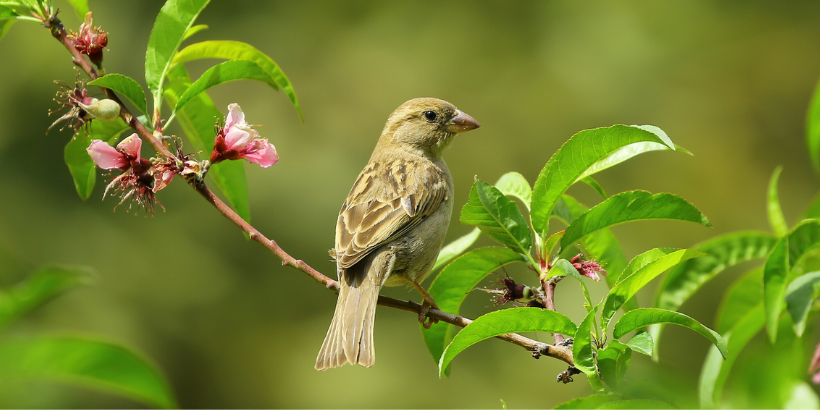
Birds: they’re beautiful, they sing sweet songs, AND they can help our gardens thrive. Keep reading to learn more about the benefits of birds in gardens, and how you can attract more to your backyard!
The following is an excerpt from The Healthy Vegetable Garden by Sally Morgan. It has been adapted for the web.
Unless otherwise noted, all photographs copyright © 2021 by Sally Morgan.
Why Gardens Need Birds
Birds are a sure sign of a heathy garden, but the numbers of many bird species have fallen dramatically in recent years, especially insect eaters, fuelled in part by the collapse of their food chains.
The Role of Birds
Just as having a diverse array of insects in the garden is vital, so it’s important to have a wide variety of birds to occupy different niches and eat different foods. Their key role in a healthy garden is to keep a lid on the pests.
Insect eaters, such as blue tits, robins, house sparrows, fly catchers, dunnocks and wrens, are particularly important as they will eat aphids, bugs, caterpillars, spiders and woodlice.
Food for Garden Birds

Blue tits have to work hard to raise their chicks. The British Trust for Ornithology estimates that each chick can eat 100 caterpillars a day.
When feeding nestlings, adults need high-quality food, so they often collect hundreds of caterpillars a day.
Blue tits, in particular, tend to time their egg laying to the bud burst of the oak trees, as they harbour a huge winter moth caterpillar population.
Research shows that the winter moth caterpillar is the ideal food for these birds, but most gardens have a low capacity to supply the nestlings with enough food.
Alongside caterpillars, blue tits also feed on greenfly, but these are not as good as moth caterpillars. Urban blue tits tend to feed more on ladybirds and spi- ders and, as a result, they have less breeding success than rural ones.
Birds need a good supply of calcium for eggs, so small birds like robins and blue tits, which have limited storage of calcium, can also be found foraging on the ground for woodlice, millipedes and spiders, which contain calcium.
Keeping Count
In the UK each year, in winter, the Royal Society for the Protection of Birds (RSPB) holds the Big Garden Birdwatch, asking people to count the birds they see in their garden.
In 2020, half a million people counted almost 8 million birds with the top 10 being (from the top): house sparrow, starling, blue tit, wood pigeon, blackbird, goldfinch, great tit, robin, long-tailed tit and magpie.
But there are some alarming trends for some of the birds in the top 10. Since the start of the count back in 1979, house sparrow numbers have fallen by more than half, and starlings are down by a worrying 80 per cent, blackbirds by 46 per cent and robins by 32 per cent.
The reasons include fewer green spaces, less available food, pollution and the effects of climate change.
Attracting More Birds
Cover
Birds need places to shelter from the weather and to nest, so trees and shrubs are ideal.
If you have the space, establish a shrubby area and grow climbers on a wall or fence. On farmland, you get more birds around the field margins, especially if they are woody, so establish a diverse boundary hedgerow to draw in the birds.
Layered habitats
Have a mix of tall, medium and low-growing plants to provide shelter and cover.
Nest boxes
Providing nest boxes will bring in insect eaters like robins and blue tits.
Water
This is essential all year round, especially in winter when water sources may freeze.
Food
In winter, put out an array of different feeders and foods that will appeal to as wide a range of birds as possible. It’s best not to feed birds in summer, as you want them working for you on pest-control duty.
Make sure your trees and shrubs are species that provide birds with berries and fruits.
Recommended Reads
Read The Book

The Healthy Vegetable Garden
A natural, chemical-free approach to soil, biodiversity and managing pests and diseases
$29.95
You may like...
-
 $29.95
 -
$22.95
-
$29.95


Recent Articles

All hail the mighty garlic clove! Become a master at garlic growing with these simple tips for growing no-till garlic from seed to harvest.
Read More
Try your hand at preserving veggies by freezing them! Freezing vegetables is a quick, simple way to preserve them for winter meals.
Read More
As your favorite variety of home grown tomatoes start ripening on the vine this summer, be sure to save those seeds for next year’s planting.
Read More
Curious about carrots? Before you get started on cultivating, check out these insights on growing & harvesting carrots from gardening expert Will Bonsall.
Read More
Squash newbies, this one’s for you! Learn how to harvest, cure, and store squash with these tried-and-true techniques from gardening expert Carol Deppe.
Read More