

Cooking With Nutrient-Dense Fats: How to Make Ghee
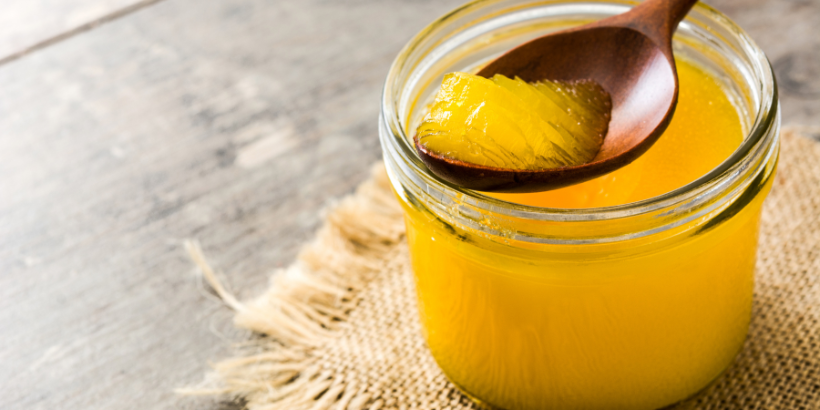
Start your ghee-making journey! Read on to discover how to make ghee and use it in delicious recipes — like the Citrus-Glazed Chicken recipe below.
The following is an excerpt from The Nourishing Asian Kitchen by Sophia Nguyen Eng. It has been adapted for the web.
Cooking With Fats & Oils
As much as possible, avoid refined seed oils and man-made fats.
Seed oils are typically highly processed and high in omega-6 fatty acids, which canlead to an imbalance in the omega-3 to omega-6 ratio in the body when consumed in excess. This imbalance has been linked to inflammation and other health issues.
Some examples of refined seed oils to avoid include soybean oil, corn oil, cottonseed oil, canola oil, sunflower oil, safflower oil, and vegetable oil. These oils are commonly used in processed foods, fried foods, and many commercial cooking and baking applications.
Changing the Oils We Use

It may be difficult to find, but there are more and more alternatives being introduced that use healthier oils such as avocado or coconut.
Instead of seed oils, we now cook with the traditional fats and oils that have been used for centuries, using organic, unrefined coconut oil; organic, extra-virgin, and cold-pressed sesame oil and olive oil; and pasture-raised, grass-fed, organic sources of ghee (clarified butter), lard (from pastured pigs), and tallow (rendered beef or lamb fat).
These traditional fats are more stable at high temperatures and have a healthier balance of saturated, monounsaturated, and polyunsaturated fats.
Traditional Fats & Oils
I know that advocating for the health benefits of traditional fats and oils may seem counterintuitive; to a degree, it is even for me. Growing up, I was taught that eating butter and animal fat leads to high cholesterol and heart disease.
As it turns out, the margarine, vegetable oils, and other seed oils that were once advertised as healthier options are, in fact, extremely unhealthy. These products are highly processed, present numerous health hazards, and should be avoided.
You are much better off with butter and animal fats. As with all food, it’s important to source your fats well, such as from organic, pastured, or grass-fed animals. It’s also good practice to vary the types of fats and oils you use.
Ghee: What Is It?
Ghee is a type of clarified butter that has been used in Indian cuisine for thousands of years. It is made by simmering butter, which causes the water and milk solids to separate from the fat. The milk solids are then removed, leaving behind a pure form of butterfat.
Ghee has a rich, nutty flavor and a high smoke point, making it a popular choice for cooking and frying. It also has a long shelf life and is high in healthy fats like CLA and butyrate.
Depending on the water content of the butter you use to make ghee and how long you simmer it, you can expect a yield of 25 to 30 percent less ghee than the amount of butter you started with.
How to Make Ghee

Cut the butter into cubes and put them in a heavy-bottomed saucepan. Heat over low heat, stirring occasionally, until the butter melts completely.
Cook at a low simmer, allowing the water to evaporate and the butter start to foam. You will notice a layer of milk solids forming at the bottom of the pot
Keep simmering until the foam disappears and the milk solids turn golden brown. Remove the pan from the heat and let it cool for a few minutes.
Straining & Storing Ghee
Strain the liquid through a cheesecloth or fine-mesh sieve to remove the milk solids, leaving behind a clear, golden liquid—that is the ghee.
Store the ghee in the pantry in a clean, sterile glass jar with the lid on tight. Freshest within the first 3 months, ghee is shelf stable for up to 12 months when stored properly.
RECIPE: Citrus Glazed Chicken
Yield: 4 to 6 servings
Tim’s grandfather was a Chinese immigrant who served in World War II and later became a chef at Chinese restaurants in Oklahoma and Illinois. Growing up, Tim heard many stories about his grandfather’s cooking and how he brought the flavors of China to the Midwest.
Today, Tim honors his grandfather’s legacy by creating healthier and more nutrient-dense versions of Chinese dishes.
This mandarin orange chicken is a perfect combination of savory and sweet, making it a delicious twist on the heavily processed and MSG-laden versions found in many takeout restaurants.
Instead of deep-frying the chicken in vegetable oil, we pan-fry the chicken in traditional fats that are rich in nutrients. The orange zest infuses the dish with a bright, fresh citrus flavor, and the fresh broccoli adds a nice crunch.
The cilantro is optional, but it adds a nice pop of color and fresh herbal flavor.
Ingredients
- 1 tablespoon arrowroot starch
- 1/2 teaspoon fine sea salt
- 1/4 teaspoon ground black pepper
- 1/4 teaspoon ground ginger
- 1/4 teaspoon garlic powder
- 1/4 teaspoon onion powder
- 1/4 cup (60 mL) mandarin orange or clementine juice
- 1 tablespoon maple syrup
- 1 tablespoon tamari or soy sauce
- 1 tablespoon coconut oil or ghee
- 1 pound (450 g) boneless, skinless pasture-raised chicken thighs, cut into bite-size pieces
- 1 teaspoon grated mandarin orange or clementine zest
- 1 broccoli crown, cut into 1- to 2-inch (2.5–5 cm) pieces
- Steamed rice (pages 62–63), for serving
- Chopped fresh cilantro, for garnish (optional)
Process

In another small bowl, whisk together the orange juice, maple syrup, and tamari; set aside.
Heat the oil in a large skillet or wok over medium-high heat. Add the chicken and cook for 5 to 7 min- utes, stirring occasionally, until it is lightly browned on all sides and cooked through.
Sprinkle the arrowroot mixture over the chicken and stir to coat the chicken evenly. Add the orange juice mixture and bring to a boil, then reduce the heat and simmer for 2 to 3 minutes, until the sauce has thickened.
Stir in the orange zest and broccoli and cook for 2 to 3 minutes, until the broccoli is crisp-tender.
Serve over rice, sprinkled with cilantro, if desired.
Recommended Reads
Read The Book

The Nourishing Asian Kitchen
Nutrient-Dense Recipes for Health and Healing
$34.95
You may like...
-
 $34.95
 -
$35.00
-
$29.95


Recent Articles
Small But Mighty! Crab Apples are easy to find, simple to store, and incredibly flavorful. Keep reading to learn more about the unsung heroes of the apple family.
Read More
Try your hand at preserving veggies by freezing them! Freezing vegetables is a quick, simple way to preserve them for winter meals.
Read More
Add a rich and robust twist to your meals with help from red wine salt! This seasoning is a perfect addition to dishes like short rib, potatoes, and more.
Read More
Raspberries: they’re sweet, flavorful, and extremely versatile. Forage for raspberries yourself and use them to create delicious dishes!
Read More
This summer vegetable tian is the perfect easy side dish. Layers of eggplant, zucchini, tomato, & red onion make this dish healthy, colorful, and delicious!
Read More