

How to Make Groundnut Sweet Potato Stew
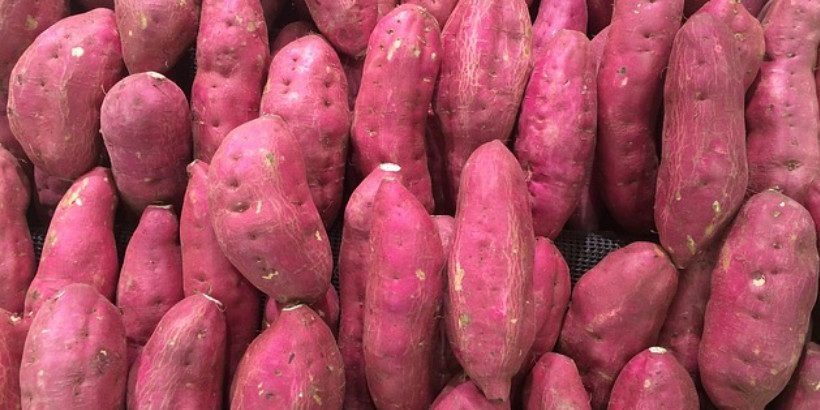
It’s officially stew season! Warm yourself up from the inside out by making groundnut sweet potato stew, a favorite of fermentation revivalist Sandor Katz.
The following is an excerpt from Wild Fermentation by Sandor Katz. It has been adapted for the web.
Fermenting Sweet Potatoes for Stew
MaxZine, who lives down the road at IDA, another queer community 10 miles away, has encouraged my fermentation fetish for years, mostly by organizing major feasts around fermented goodies. One year it was tempeh Reuben sandwiches for two hundred people. Ethiopian nights have become an annual event. I make injera and t’ej, Ethiopian-style honey wine, and he makes the rest.
This dish is one he adapted from the cookbook Sundays at Moosewood Restaurant. “Groundnut” is what the peanut (Arachis hypogaea) is called in English-speaking regions of Africa. In Africa, yams would probably be used rather than sweet potatoes, but MaxZine grows amazing sweet potatoes, and they are what is generally found (and often confused with yams) in this country.
RECIPE: Groundnut Sweet Potato Stew
This recipe is augmented by Jerusalem artichokes, which are not an African vegetable at all, but a beloved winter tradition among many American gardeners. The Jerusalem artichokes add a lovely varied texture to this dish. If you don’t have Jerusalem artichokes available, just proceed without them.
TIMEFRAME:
30 to 40 minutes
INGREDIENTS (for 6 to 8 servings):
- 2 cups/500 milliliters chopped onions
- 2 tablespoons/30 milliliters vegetable oil
- 3 cups/750 milliliters cubed sweet potatoes
- 3 cloves garlic, chopped
- 1⁄2 teaspoon/2 milliliters cayenne
- 2 teaspoons/10 milliliters ginger
- 1 teaspoon/5 milliliters cumin
- 1 tablespoon/15 milliliters paprika
- 1 tablespoon/15 milliliters fenugreek
- 1 teaspoon/5 milliliters salt
- Dash each cinnamon and clove
- 4 cups/1 liter fresh or canned tomatoes
- 1 cup/250 milliliters apple juice, or 1 cup/250 milliliters water plus 1 tablespoon/15 milliliters honey
- 3⁄4 cup/185 milliliters peanut butter
- 2 cups/500 milliliters sliced Jerusalem artichokes
- 3 cups/750 milliliters cabbage or other dark leafy greens, chopped
PROCESS:
- In a good-sized, deep cooking pot, sauté the onions in oil until translucent, about 5 minutes.
- Add sweet potatoes, garlic, and cayenne; sauté, covered, for 5 minutes.
- Add all the other ingredients except the peanut butter, Jerusalem artichokes, and greens. Bring to a boil, reduce heat, and simmer about 10 minutes.
- Remove 1/2 to 1 cup (125 to 250 milliliters) of the hot liquid from the pot, and combine it with the peanut butter into a creamy paste. Add the thinned peanut butter, Jerusalem artichokes, and greens to the pot, and simmer about 5 more minutes, until the vegetables are tender. Add more liquid if the stew is too thick, and adjust seasonings to taste.
- Serve with injera and/or over millet.
Recommended Reads
Read The Book

Wild Fermentation
The Flavor, Nutrition, and Craft of Live-Culture Foods, 2nd Edition
$29.95
You may like...
-
 $39.95
 -
$29.95
-
$34.95


Recent Articles
Small But Mighty! Crab Apples are easy to find, simple to store, and incredibly flavorful. Keep reading to learn more about the unsung heroes of the apple family.
Read More
Try your hand at preserving veggies by freezing them! Freezing vegetables is a quick, simple way to preserve them for winter meals.
Read More
Add a rich and robust twist to your meals with help from red wine salt! This seasoning is a perfect addition to dishes like short rib, potatoes, and more.
Read More
Raspberries: they’re sweet, flavorful, and extremely versatile. Forage for raspberries yourself and use them to create delicious dishes!
Read More
This summer vegetable tian is the perfect easy side dish. Layers of eggplant, zucchini, tomato, & red onion make this dish healthy, colorful, and delicious!
Read More