

Winter in the Forest Beer: Creating Unique Drinks from Nature’s Ingredients
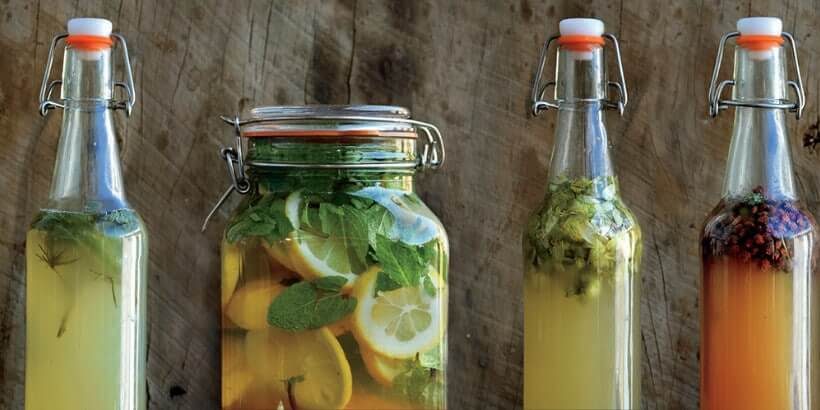
The art of brewing can explore far beyond the usual ingredients into a vast and luminous galaxy of wild and cultivated fruits, berries, grains, and herbs, which once provided a variety of fermented drinks as broad as the world. Now fermentation fans and home brewers can rediscover these “primitive” drinks and their unique flavors in, the newly released, The Wildcrafting Brewer. You’ll be surprised at how easy making your own natural drinks can be!
Each environment has its unique flora and ecosystem. From a culinary perspective, if you know enough about the edible plants and animals living in a specific region, you can create a fermented drink representing it.
There are no real rules. Let it be about fun, creativity, and flavors. What fun flavors will your environment develop? There’s only one way to find out.
Check out the “wonders” of brewing in the excerpt adapted for the web below from The Wildcrafting Brewer by Pascal Baudar.
Winter in the Forest Beer
This recipe is ever-changing with the seasons, but it’s a good example of a winter forest beer. It looks very much as if I just took leaves, twigs, and herbs directly from the forest floor itself, but every ingredient, even fall leaves, was carefully chosen and contributes to the flavor profile.
My first attempts at creating such beers were a bit so-so but they have vastly improved over time. Presently, the end result is somewhere between a beer and a cider—a bit sour, like some wild-yeast-fermented Belgium beers, but delicious. I don’t think you could match this recipe with your own local forest, but maybe this will inspire you to experiment with what your wild terroir has to offer.
1-gallon water (3.78 L)
0.2 ounce (around 3 g) mixed fall leaves (cottonwood, alder, and willow)
0.2 ounce (around 3 g) forest grass—regular grass growing in the forest
2 lemons
1 ounce (28 g) manzanita berries
0.1 ounce (1.5 g) California sagebrush
0.2 ounce (around 3 g) dried mugwort leaves
0.3 ounce (around 8.5 g) turkey tail mushrooms
1¼ pounds (567 g) dark brown sugar
3 large lemons
Commercial beer yeast or wild yeast starter
Procedure
Combine all the ingredients except the lemons and yeast. Cut and squeeze the lemons into the solution. Bring to a boil in a large pot for 30 minutes. Remove from the heat and cool to 70°F (21°C), then add the yeast. When I’m using a wild yeast starter, I usually use ½ to ¾ cup (120–180 ml) of liquid.
Strain into the fermenter. Place the airlock and let it ferment for 10 days. Start counting when the fermentation is active (this may take 2 to 3 days with a wild yeast starter).
Siphon into 16-ounce (473 ml) swing-top beer bottles (you’ll need seven bottles) and prime each one with ½ teaspoon (2 g) white or brown sugar for carbonation. Close the bottles and store in a place that’s not too hot. The beer will be ready to drink in 3 to 4 weeks.
Would you like to explore the smell of the forest after the rain or the sweet fragrance of its rich soil? Maybe add a small amount of candy cap mushroom or bitter decomposing leaves (willow, alder). I like using turkey tail mushrooms, not just for their bitter flavors but also for their medicinal qualities.
Recommended Reads
Read The Book

The Wildcrafting Brewer
Creating Unique Drinks and Boozy Concoctions from Nature's Ingredients
$34.95
You may like...
-
 $29.95
 -
$24.95
-
$39.95


Recent Articles

These small fruits are a delicious source of nutrients that you can find almost anywhere. Get started on acorn harvesting with help from these simple tips!
Read More
Enjoy fresh produce all year long by growing your own food! Achieving a twelve-month growing season is as simple as using the right crop protection structure.
Read More
Want an on-the-go snack without having to go to the grocery store? Whip up this homemade applesauce for a fresh fall snack whenever you get the craving!
Read More
Beets can be grown year-round and are a perfect, flavorful addition to meals. Get started on growing your own no-till beets with help from these tips!
Read More
The possibilities are pretty much endless with wild ingredients — use almost any fresh fruit or juice and a sweetener to create your own custom jam or syrup!
Read More