

4 Dried Tomato Recipes to Enjoy the Harvest Year Round
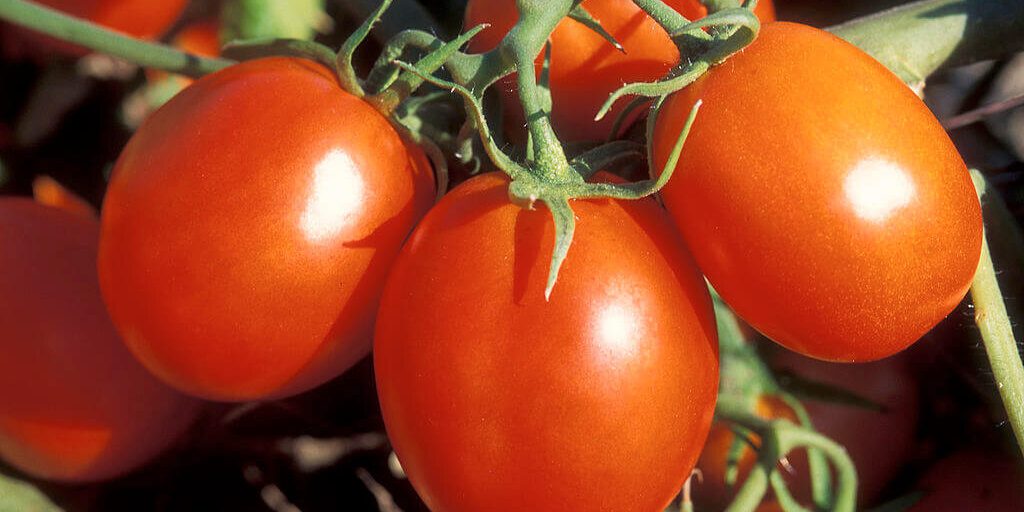
Have an overabundance of tomatoes? No problem. Preserve your summer harvest and enjoy the taste of the season all year long with these dried tomato recipes!
For more recipes using traditional preserving techniques like salt, oil, drying, cold storage, vinegar, and fermentation, read Preserving Food without Freezing or Canning.
Tomatoes Dried Naturally
- Tomatoes
- Almond oil (or another mild oil)
- A clean rag
- Drying apparatus
- A glass jar
Tomatoes are by far the vegetable most often preserved by drying in various forms.
We prefer to use the ‘Beefsteak’ variety, a pulpy tomato with fewer seeds.
Peel the tomatoes. (If this poses a problem, soak them for a few seconds in boiling water.) Cut them lengthwise (from bottom to top) into slices approximately 1/4-inch.
Pick and remove the seeds. Place the slices on a clean rag to absorb the juice. Oil the dryer screen lightly, preferably with mild almond oil, so that the slices will not stick. When the slices are dry on one side, turn them over; they will be hard when dry. Store the tomatoes well packed in a glass jar.
To use, pour one cup of boiling water over one-half to three-quarter ounces of dried tomatoes per person, and leave them to soften for a few minutes. Add a teaspoon of olive oil, season to your tate, and serve with a purée or a grain dish. We also add these tomatoes to grains or vegetables that are nearly done cooking.
Stuffed Dried Tomatoes in Oil
- Tomatoes
- Parsley
- Garlic
- Anchovy fillets (optional)
- Fresh basil leaves (optional)
- Oil
- Drying apparatus
- A glass jar
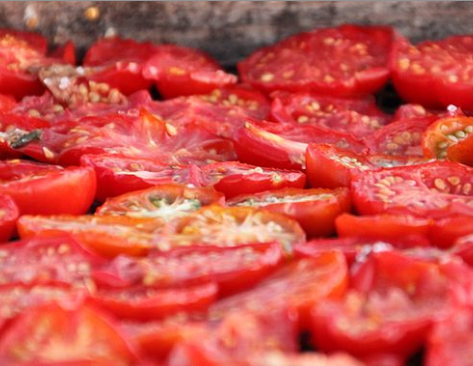
I dry my tomatoes in a solar dryer, cut in half and seeded (easily done with a small spoon). When the tomatoes are dry, stuff a little finely chopped parsley and garlic between the two halves. If you like, add an anchovy fillet, or a basil leaf. Place the reassembled tomatoes in a jar and cover with oil. These are delicious added to a salad during winter.
Sun-Dried Tomatoes in Oil
Variation 1
- 4 lbs. tomatoes
- 1 lb. coarse salt
- Oil
- Drying apparatus
- Gauze
- A clean, dry cloth
- Glass jars
Choose very ripe, small, oblong tomatoes. The Italian variety “Principe Borghese’ is an excellent drier, as are many smaller plum or “paste” tomatoes.
Cut the tomatoes in half, place them on a tray set in the sun, add salt, and cover with gauze to protect from insects. During the day, turn the tomatoes over twice; at night, bring them inside to protect from moisture.
A few days later, when you see that they are very dry but not totally dehydrated, remove some of the salt with a clean, dry cloth. Put the tomatoes into jars and cover them with approximately three-quarters of an inch of oil over the tomatoes, coming up to three-eights of an inch below the rim. Close the jars tightly and store them in a cool place. In Italy, tomatoes preserved in this manner are eaten as hors d’oeuvres, with no additional preparation.
Variation 2
- Tomatoes
- Vinegar
- Hot peppers, mint leaves, or whole garlic cloves (optional)
- Oil
- Drying apparatus
- A glass jar
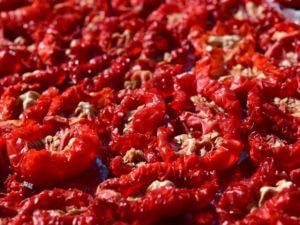
Choose tomatoes that are firm and completely intact, preferably plum tomatoes. Cut them in half lengthwise. Allow them to dry on trays in the sun, bringing them in whenever it is humid, and in at night to avoid dampness. When they are dry, soak the tomatoes in warm vinegar for twenty minutes. Drain and put them in a jar, alternating layers of tomatoes with one or two hot peppers, mint leaves, or whole cloves of garlic. Press well to allow any air to escape, and then cover with oil. These tomatoes will keep for a very long time. We eat them as hors d’oeuvres or with rice, pasta, meat, or fish.
Recommended Reads
Read The Book

Preserving Food without Freezing or Canning
Traditional Techniques Using Salt, Oil, Sugar, Alcohol, Vinegar, Drying, Cold Storage, and Lactic Fermentation
$25
You may like...
-
$40.00
-
$39.95
-
$35.00


Recent Articles

Prepare for the year ahead with cover cropping! It creates nutrient-rich soil for winter gardening AND provides a boost to your seedlings come springtime.
Read More
This bright, yet delicate flavor profile is both sweet and sour – a unique taste that you’ll keep coming back to. This recipe is intended for long, slow fermentation starting at persimmon harvest time in the autumn and continuing into winter.
Read More
Growing no-till arugula is a simple way to grow your own food. These greens can be used on pizzas, salads, and as a garnish on almost any dish.
Read More
This triple apple snack cake uses applesauce, cider, and apples for a one-two-three apple punch. Don’t take our word for it though, give it a go yourself!
Read More
The leaves are falling, which means it’s time start figuring out what to do with them. This year, try turning your fallen leaves into mulch for your garden!
Read More