If you’ve ever wondered what your life is missing, the answer is probably chickens. These feathery friends can help fertilize your soil, mow your lawn, and even lay the eggs you eat for breakfast. What could be better than that?
To celebrate our favorite member of the poultry flock, we’ve rounded up some wisdom from our farming and homesteading authors who appreciate the value of the chicken.
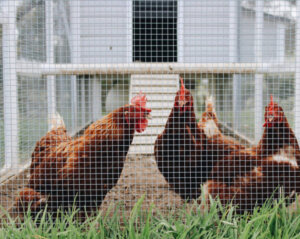
With so many options to choose from, selecting a good breed for your poultry flock can feel overwhelming. There are many different factors to take into consideration such as climate, scale of anticipated project, level of commitment, whether or not children will be involved, and more.
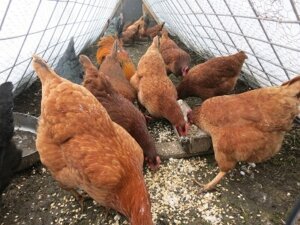
Ever heard the phrase, “always follow your nose?” As it turns out, this is a good rule of thumb when it comes to chicken manure—but what is it that your nose is telling you? Composting chicken manure in deep litter in the coop will build better chicken health, reduce labor and retain most of the nutrients for your garden.
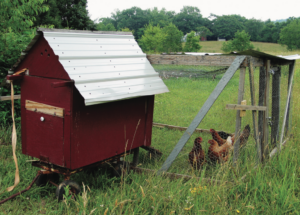
If you keep your laying hens in a stationary coop, you’re missing out on their incredible soil building talents. Un-coop that chicken poop by putting your flock in a mobile shelter!
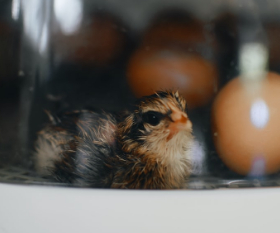
There’s nothing quite like having a box of cute, fluffy chicks arrive in the mail. It’s miraculous that a newly hatched chick can survive without food and water for exactly the amount of time it takes to mail a package from anywhere in the United States to anywhere else in the United States.
Aside from the sheer pleasure of telling your friends that you maintain your garden using something called a “chicken tractor,” there are a slew of other benefits to working the land with a few of your animal friends.
Interested in getting started with silvopasture? Consider purchasing a flock of poultry! Poultry flocks add value to your managed ecosystem (pest control, soil turnover, etc.) which will, in turn, allow them to flourish and be productive livestock. You will have to decide, though, which type of poultry will work best with your particular ecosystem: chickens, turkeys, ducks, or geese?
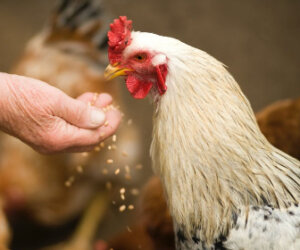
Homesteader and author Harvey Ussery discusses natural feed options for poultry, including self-harvesting methods and using weeds as supplemental nutrition.
The most comprehensive guide to date on raising all-natural poultry for the small-scale farmer, homesteader, and professional grower. The Small-Scale Poultry Flock, Revised Edition offers a practical and integrative model for working with chickens and other domestic fowl, based entirely on natural systems.
Prepare for the year ahead with cover cropping! It creates nutrient-rich soil for winter gardening AND provides a boost to your seedlings come springtime.
The leaves are falling, which means it’s time start figuring out what to do with them. This year, try turning your fallen leaves into mulch for your garden!
Enjoy fresh produce all year long by growing your own food! Achieving a twelve-month growing season is as simple as using the right crop protection structure.