

Chelsea Green Blog
Nature & Environment
Farmers Aren’t Created Equal: The “American Farmer” Fallacy
For those who aren’t in the know, it may seem like all farmers are created equal, but that’s simply not the case. In fact, there is such a wide variety of farmers that it’s nearly impossible to put a label on them. But that doesn’t stop organizations from trying. The following is an excerpt from…
Read More
The Evolution of Earth, Humans, and Our Natural Resources
We have long been taught that evolution is a process that occurs gradually over millions of years, that change happens slowly without much attention. We’ve come to learn that in reality, evolution happens in fits and starts — very slowly for long periods, then in sudden spurts of rapid change. It may be triggered by…
Read More
Healthy Culture, Society and Mother Earth: Agri-Culture
In Call of the Reed Warbler, Charles Massy’s stunning observations of interaction between nature, culture, and society is nothing short of eye opening. “By arrogantly having placed ourselves outside the functional operating parameters of Earth’s systems, we now see nature and the Earth as separate from us and so just available for use – while all the…
Read More
A Call for Regenerative Agriculture: From the Group Up
Farmland covers 38 percent of the Earth’s land area and is a major contributor to climate change. But it doesn’t have to be this way. Soil and plants have the capacity to store huge amounts of carbon in the ground, thus how we grow food can be one of the key solutions to our climate…
Read More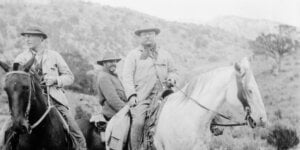
Badlands without Beavers: How Teddy Roosevelt became a conservationist
There’s no doubt that beavers offer huge support to various ecosystems. Even Teddy Roosevelt learned that when on a hunting trip to beaverless badlands turned out disappointing. This experience was enough to turn him from naturalist to conservationist. Read the full story and you too will become a “Beaver Believer.” The following excerpt is from Eager by…
Read More
Agroforestry Versus Permaculture: Which Approach to Use for a Community Food Forest
Ok, so we’ve gone over some basics of community food forests: Now it’s time to figure out how to plan one. There are two schools of thought on the best approach to building a community food forest: agroforestry or permaculture. The former offers a science-based approach while the latter incorporates elements of social design. Both…
Read More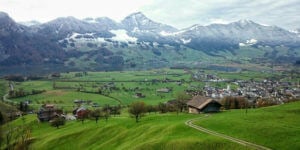
How One Small Town Banned Pesticides: Freedom from Poison
Years of apparent collusion between companies producing pesticides and other chemicals and regulatory agencies such as the EPA. So how did a tiny town in Northern Italy prevail against big agriculture and make their town a pesticide-free zone?
Read More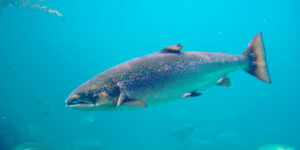
The Wild in Us and Us in the Wild
In the following Q&A, Martin Lee Mueller, author of Being Salmon, Being Human, discusses the importance of rethinking the human-Earth relationship, why salmon are the perfect creatures to start the conversation, and what we can do to give back. Q: Part of your inspiration to write this book came from an opinion piece about the…
Read More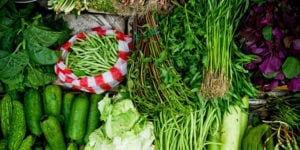
Organic No-Till: Farming like the Earth Matters
If we could do one thing for the planet it would be to ditch the plough. When we turn over soil, the air and sun wreak havoc on the microbes, which is why we need chemicals to bring the fertility back. No-till creates thin furrows in the soil and drops seeds in. It’s difficult to…
Read More
Lions and Tigers and Bears, Oh My!
Authors Sy Montgomery and Elizabeth Marshall Thomas discuss Tamed and Untamed: Close Encounters of the Animal Kind—a “most delectable potpourri of tales about a whole host of nonhuman animals”—with writer and friend Marc Bekoff. Q: Why did you write Tamed and Untamed ? Liz: Tamed and Untamed is a collection of columns we wrote for…
Read More
LDN Treatment Helps to Kill Cancer Cells
According to a report in The International Journal of Oncology, giving low dose naltrexone (LDN) to cancer patients can improve the immune system’s ability to kill cancerous cells, as well as improve the efficacy of standard cancer treatments and immunotherapy. This major breakthrough gives research credence to what some doctors have observed in their cancer…
Read More
A Mini-Festo for Earth Day – Rebuild the Foodshed
For the days leading up to Earth Day in years past, author Philip Ackerman-Leist runs a Twitter MiniFesto campaign – each day sending out a new tweet designed to spark conversation and pass along some lessons he learned whilst working on his book, Rebuilding the Foodshed. You might also know Philip as the author of…
Read More