

Cool It Down: Using Fire to Cool the Earth
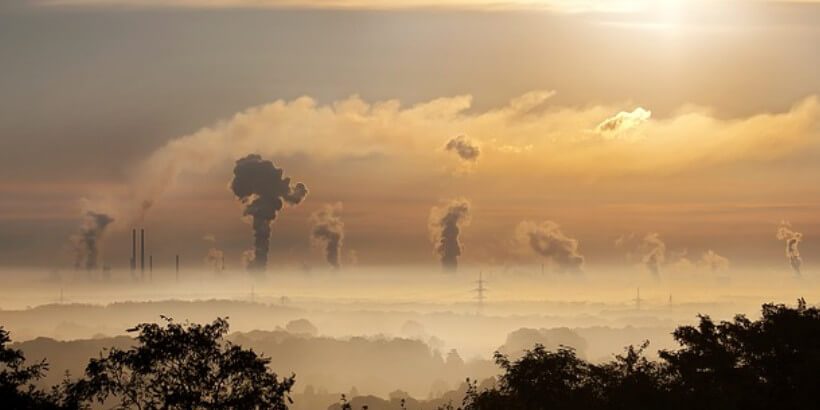
Albert Bates is one of the founders of the intentional community and ecovillage movements. A lawyer, scientist, and teacher, he has taught village design, appropriate technology, and permaculture to students from more than sixty countries.
Kathleen Draper routinely collaborates with biochar experts from around the globe as a board member of the International Biochar Initiative (IBI), moderator for IBI’s biochar education webinar series, and the US Director of the Ithaka Institute for Carbon Intelligence. She has lectured on biochar in several countries and provides consulting services to companies entering the biochar industry.
The following is an interview with Albert Bates and Kathleen Draper. It has been adapted for the web.
Cool the Earth
What is the carbon cycle, and where does biochar fit into this story?
Bates: The carbon cycle has been going on since Earth cooled enough to allow life to arise. We know it as photosynthesis, without which we could not eat or breathe. Over billions of years the planet developed a stasis between the amount of carbon released from natural sources like dead plants and volcanoes and what could be absorbed back by oceans, growing plants, and the weathering of minerals.
When we disrupted this balance with land use changes dating back 8,000 years, and more recently through burning fossil fuels, one of the effects is global warming. Knowing how we are heating the planet is one thing. Understanding how to restore the equilibrium is quite another. We think biochar is one of the more powerful tools we have, but there is still a lot to learn.
Draper: I think of biochar as “carbon interrupted.” Plants breathe in CO2, which is normally exhaled back into the atmosphere during decomposition. When you bake organic matter at sufficiently high temperatures, you convert up to 50 percent of the CO2 into a very stable form of carbon that decomposers mostly ignore.
Explain one biochar application you encountered during your travels that you found particularly innovative or effective.
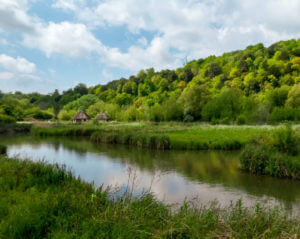
Kathleen: One of my favorites is still being developed by a group in South Africa. The concept is a biochar brick with seeds inside that is being used to rebuild or rehabilitate dunes, mine-lands, wetlands, etc. The bricks are only meant to last a few years and the embedded seeds help restore biodiversity. I am also very keen on a project I’ve been working on that uses carbonized coffee grounds in bioUPgradable coffee lids!
For those who are interested in experimenting with biochar, what is one way we can incorporate it in our daily lives?
Kathleen: I use personal care products—soap, toothpaste, deodorant, shampoo—that contain biochar, but at the end of the day the amount of biochar in those products is small. I think the best use of time is to help lobby for the use of biochar in big markets such as livestock feed, building materials, filtration, and so on.
Albert: Well if we are going to go big, let’s go really big. Carbon content in the things around us should be more common than plastics are today. Recaptured carbon should be in the concrete and steel in buildings and bridges. It should be under and on top of roadways. It should be the fiber that builds automobiles and airplanes—a lot of that created by 3D printing.
Some people worry that in order to convert that much photosynthetic carbon into permanent structures we would need to cut down whole forests, or make genetically engineered plantations of fast-growing feedstocks. Balderdash! There is ample carbon right now that is decaying into greenhouse gases because we think of it as waste or pollution.
We could be capturing and converting those sources of pollution into useful products and services. Think seaweed. Think municipal sewage. As we say in permaculture, these so-called problems are actually solutions in disguise. We are confronted with nearly insurmountable opportunity.
Recommended Reads
Read The Book

Burn
Igniting a New Carbon Drawdown Economy to End the Climate Crisis
$17.95
You may like...
-
$75.00
-
$75.00
-
$29.95


Recent Articles

Whether foraging or gardening, it’s vital to know the proper techniques for harvesting. Read on for how to harvest herbs, roots, flowers, bark, fruit, and more!
Read More
How and why can some plants live to such a great age? Delve into the lifespan of plants and discover the incredible longevity and resilience of these remarkable living beings.
Read More
We’ve been told to kill a lanternfly because they’re “invasive.” In reality, they are living like any other insect would. So why are they under attack?
Read More
Dig into the many varieties of grass seeds, learn about toxicity, and review a list of edible grass seeds. Happy foraging!
Read More
A forest garden provides a beautiful, bountiful edible landscape at any scale—whether there’s only a few dozen square feet or you have over an acre to spare.
Read More