

The Right Way to Hydrate
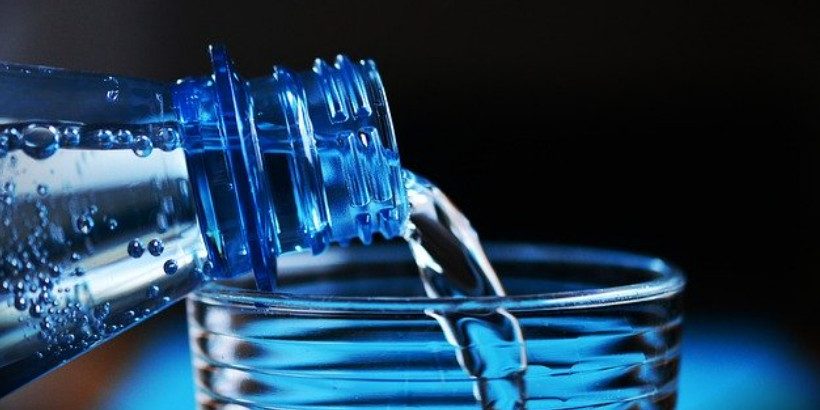
Everyone knows water is important, but advice on how much to drink is wildly different. “Drink your weight in ounces of water each day”, “drink before you’re thirsty”, “drink eight 8oz glasses”, and the list goes on. Unfortunately, you can drink too much water, and it can be detrimental to your health. Read on to find that sweet spot and drink up!
The following is an excerpt from Peak by Marc Bubbs. It has been adapted for the web
Dehydration can impact your performance. Today, experts know fluid deficits as little as 2 percent bodyweight can compromise cognitive function and aerobic exercise, 3–5 percent dehydration can impair sport-specific technical skills and anaerobic output, and severe dehydration at 6–10 percent bodyweight can decrease cardiac output, sweat production, and blood flow to muscles. Rewind back to the 1960s when drinking water during a marathon was seen as a sign of weakness. Your opponent would pounce on the opportunity to up their pace and leave you in the dust. By the late 1970s, the science on hydration had evolved. Then over the next few years something strange started happening: runners were getting sick, sometimes dangerously sick.
They were drinking water to excess.
The term is hyponatremia, and sadly endurance athletes have died in competitions as a result. Meanwhile, renowned South African sport scientist and emeritus professor Tim Noakes of the University of Cape Town was leading the boom in research on the importance of adequate hydration for performance. As Noakes and colleagues scrambled to uncover why this was happening, they discovered that a small group of individuals were genetically predisposed to problems if they drank too much water.
For most people, if they drink too much water they begin to urinate much more frequently. Because it’s an annoying and undesirable side effect, most people simply adjust their intake unconsciously. In individuals who over-secrete the powerful antidiuretic hormone (ADH), this doesn’t happen and they become overly hydrated.1 Due to the exaggerated output of ADH, their brain acts as if they’re dehydrated, pumping out more and more ADH until they eventually stop urinating completely (and if they do urinate, it’s dark yellow or brown). These people then assume (mistakenly) that they’re dehydrated and decide to drink more water. This is when things turn deadly.
Blood levels of sodium start to drop and water moves into the brain, causing swelling and loss of consciousness. They effectively become waterlogged. It’s an avoidable situation that only impacts one out of five people. Because the consequences are potentially fatal, the American College of Sports Medicine (ACSM) changed their position in 2007 to recommend recreational athletes “drink to thirst” (and not ahead of thirst) to avoid this tragic outcome.
If you want to personalize your hydration strategy, a simple “weigh-in” and “weigh-out” before and after training can help estimate the amount of fluid you should be consuming. Typically, a loss of 1 kg bodyweight (2.2 lb.) represents approximately 1 L (about 2 pints) of fluid loss. Most athletes will consume between 0.4–0.8 L/hour during exercise and will hydrate a little more aggressively post-training or postgame at 1.25–1.5 L for every 1 kg bodyweight lost.2
- Tim Noakes, “The lore of running, hydration and increasing longevity,” Dr. Bubbs Performance Podcast, Podcast audio, June 22, 2017, https://drbubbs.com/podcastepisodes/2017/10/episode -42-the-lore-of-running-hydration-increasing-longevity-w-prof-tim-noakes
- D. T. Thomas, K. A. Erdman, and L. M. Burke, “American College of Sports Medicine joint position statement: nutrition and athletic performance.”
Recommended Reads
Read The Book

Peak
The New Science of Athletic Performance That Is Revolutionizing Sports
$24.95
You may like...
-
 $19.95
 -
$24.95


Recent Articles

The gut plays a significant role in overall health. Here’s a juice recipe to help improve, gut health, digestion and boost immunity. Cheers to a healthier you!
Read More
Thyme is easy to grow and harvest in almost any condition. Follow these tips to get started growing, harvesting (and drying) thyme in your home or backyard!
Read More
Whether foraging or gardening, it’s vital to know the proper techniques for harvesting. Read on for how to harvest herbs, roots, flowers, bark, fruit, and more!
Read More
No summer day is complete without ice cream. Try out these dairy-free ice cream recipes to indulge in this frozen treat while still being kind to your gut.
Read More
Mead is one of the oldest fermented beverages and is made by fermenting honey with water, offering countless flavor possibilities. Let’s dive into the world of mead making!
Read More