

A Search for Rural Justice
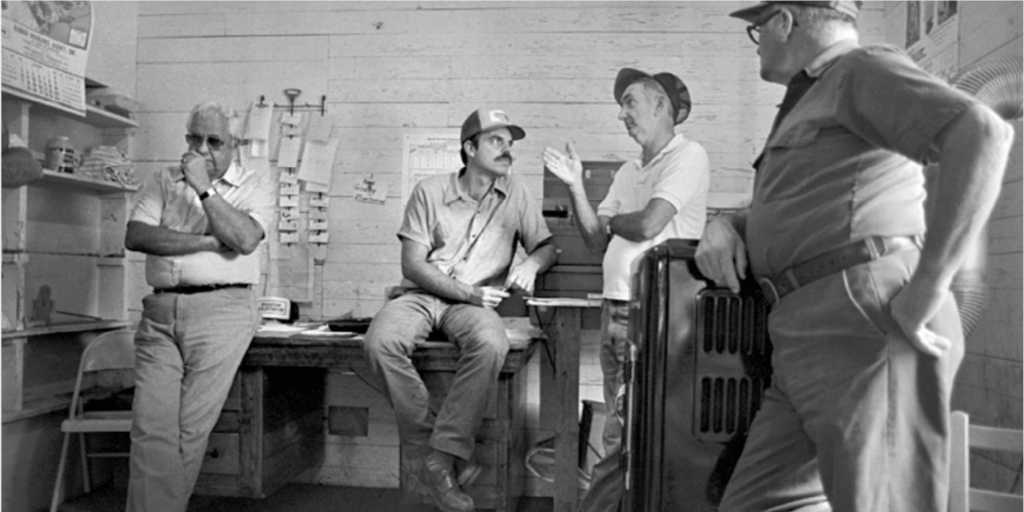
Charles D. Thompson, Jr., is the Professor of the Practice of Cultural Anthropology and Documentary Studies at Duke University. His numerous books and documentaries have helped bring underrepresented rural issues in the United States and Latin America to the forefront. When Chelsea Green sat down with him to discuss his latest book, Going Over Home: A Search for Rural Justice in an Unsettled Land, one interview question turned into a history lesson about the economic and sociopolitical drivers of agricultural insecurity and rural injustice stretching back to the days of Thoreau. Charlie’s book—and his response below—expose a deep history of racism and wealth inequality still felt in rural communities today.
The following is an excerpt from an interview with Charles D Thompson, Jr. from the Winter 2019 Seasonal Journal. It has been adapted for the web.
We founded this country to be governed by “We the People.”
That looked good on paper, but of course we know that Jefferson didn’t really mean everybody. What we’ve had since 1776 is a grand experiment in making a representative democracy work. Today, we hear a lot about “economic democracy.” In the 1930s, that discussion was prominent because we’d just experienced a major Depression. Roosevelt saw this as an opportunity to democratize the economy. The Department of Agriculture came about during that time, as did new efforts to give people access to land—including African American, Native American, and Latino sharecroppers who had never had access to owning part of this country.
The ’30s also saw what we know now as the Agricultural Adjustment Act, which gave subsidies to the largest farmers. Enter agribusiness. By the ’60s, we had huge farms run by machinery and agrochemicals. That’s when Rachel Carson started to say, “Now, wait a minute!” A decade later, Earl Butz was saying, “Get big or get out.”
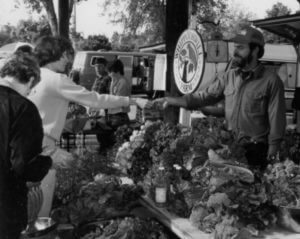
That sparked a movement that resulted in Farm Aid and a huge class action lawsuit on behalf of black farmers in the 1980s. I was the guy who took the hotline call from Tim Pickford who said he was having racism and loan problems. Tim goes on to be the main plaintiff against the Department of Ag, but even after winning the supreme court case, tens of thousands of black farmers who’d lost their land weren’t able to collect on their loans because of systematic racism.
This contradiction of saying we believe in one thing but practice another is the heart of our problem. We haven’t dealt with the original sin of American slavery. We haven’t dealt with the displacement of indigenous peoples. So the exploitation continues. We elect a president that talks about people from across the border being rapists and murderers when we’re using them to harvest our food. We’re living a lie. Thoreau said, “If the injustice is part of the necessary friction of the machine of government, let it go, let it go…but! if it…requires you to be the agent of injustice to another, then I say, break the law.” [Charlie’s emphasis]
Who is “We”, and what is it we must do in order to build democracy? We have to know when it’s our time to listen. We the People of Privilege have to be quiet. How do you get out of the way and not give people voice—they already have voices—but help people have an audience? How do we, as activists, stand in solidarity with people who’ve been suppressed without speaking for them? That’s the big challenge.
Recommended Reads
Read The Book

Going Over Home
A Search for Rural Justice in an Unsettled Land
$18
You may like...
-
 $29.95
 -
$75.00
-
$28.00


Recent Articles

All hail the mighty garlic clove! Become a master at garlic growing with these simple tips for growing no-till garlic from seed to harvest.
Read More
Try your hand at preserving veggies by freezing them! Freezing vegetables is a quick, simple way to preserve them for winter meals.
Read More
If you keep your hens in a stationary coop, you’re missing out on their soil building talents. Un-coop that poop by putting your flock in chicken tractors!
Read More
Growing mushrooms on logs is an easy way to cultiavte your own fungi! Work in tandem with nature to grow many varieties of mushrooms.
Read More
As your favorite variety of home grown tomatoes start ripening on the vine this summer, be sure to save those seeds for next year’s planting.
Read More