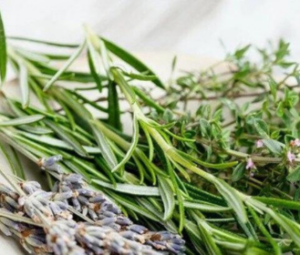
Herbal remedies are a great way to naturally support overall bodily health. Here are some useful tips on all things herbalism — from starting your own herb garden to making remedies for any number of everyday ailments.
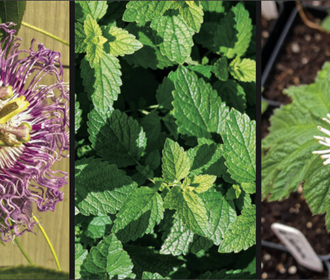
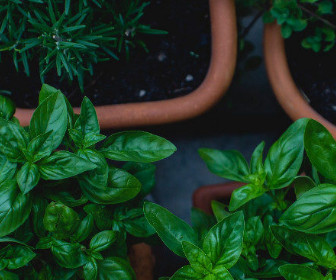
Want to start your own medicinal herb garden? Passionflower, lemon balm, and goldenseal are the best place to begin! These herbs are not only jam-packed with medicinal properties; they’re also extremely easy to grow in a majority of climates. With a little background information on the proper growing conditions, medicinal uses, and harvesting and drying tips, you’ll be all set to herbs in no time!
There are a number of herbs & herbal treatments that help reduce skin discomfort. Herbal formulas serve as remedies for burns, help fight infection, aid in repairing the skin, prevent the formation of scar tissue, and more!
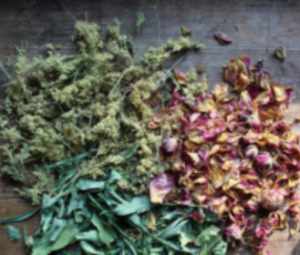
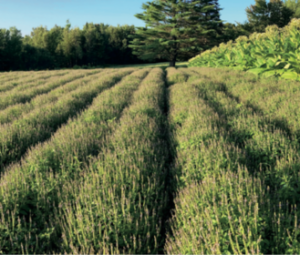
Harvesting and drying herbs correctly is a very important part of the process when it comes to making your own medicinals. Every step plays a crucial role in the potency of the end result. To take full advantage of everything the plant has to offer, you must harvest and preserve with intention.
Growing your own herbs is a great alternative to over-the-counter medicine. Not only do these plants help with general wellness, they’re also an easy fix for small cuts, be used as a calming agent, and boost your immune system. Have more control of what goes into your body with these 10 herbs to promote natural well-being.
Growing & using your own medicinal herbs keeps you healthy AND helps improve our environment. So what’re you waiting for? Check out these quick tips and get ready to start an agricultural revolution with medicinal herbs!
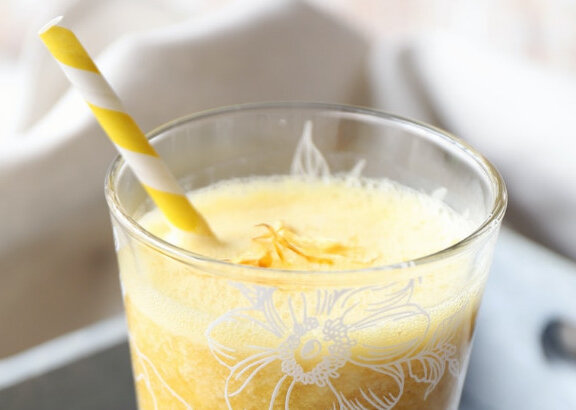
Does the word “medicine” conjure up images of viscous syrups and pills that leave a bad taste in your mouth? Good news! We have a recipe that is both delicious AND medicinal. Jill Stansbury’s anti-inflammatory smoothie uses natural (and tasty!) ingredients to help reduce inflammation caused by any number of circumstances. Turns out, you DON’T need a spoonful of sugar to help the medicine go down.
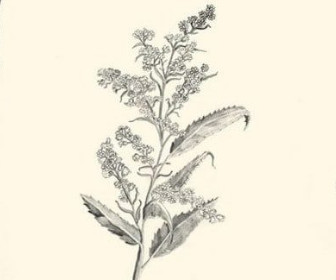
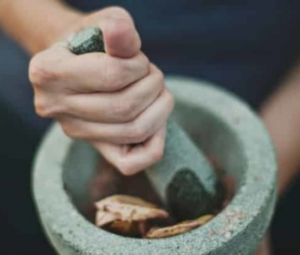
Want to become a master in medicinal herbs? The first step to using these herbs successfully is understanding the actions of each one and how they work to treat an individual patient’s symptoms.
We all know a dash of cayenne pepper is great on roasted sweet potatoes and a little bit of cinnamon goes a long way in a batch of cookies, but did you know many of the kitchen herbs already in your spice rack can also be used medicinally?
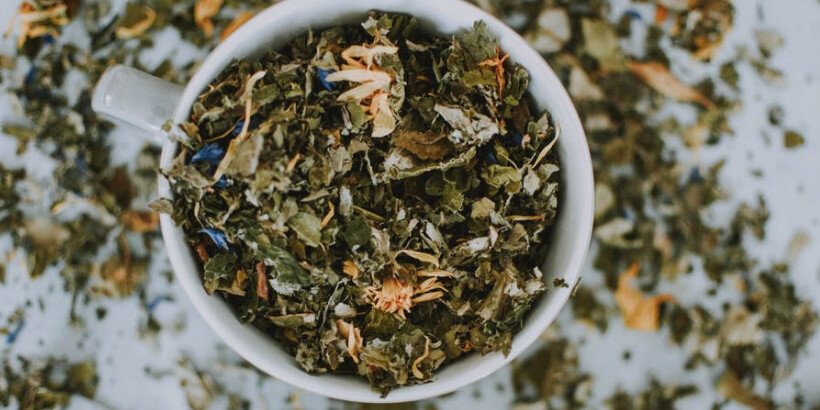
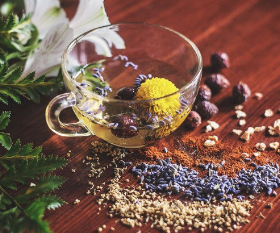
Life can be stressful! Sometimes there’s just no avoiding it. Luckily, taking a moment to brew and enjoy a cup of tea can actually help quite a bit– especially if you’re brewing a cup of Jill Stansbury’s Tea for Stress-Related Muscle Tension. So next time you’re feeling stressed, take a break and brew some tea. Better yet, brew this tea before you’re stressed out as a preventative measure.
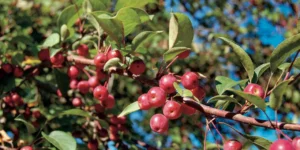
Small But Mighty! Crab Apples are easy to find, simple to store, and incredibly flavorful. Keep reading to learn more about the unsung heroes of the apple family.
Add a rich and robust twist to your meals with help from red wine salt! This seasoning is a perfect addition to dishes like short rib, potatoes, and more.
This summer vegetable tian is the perfect easy side dish. Layers of eggplant, zucchini, tomato, & red onion make this dish healthy, colorful, and delicious!