

How to Manage Garden Pests (Without Pesticides!)
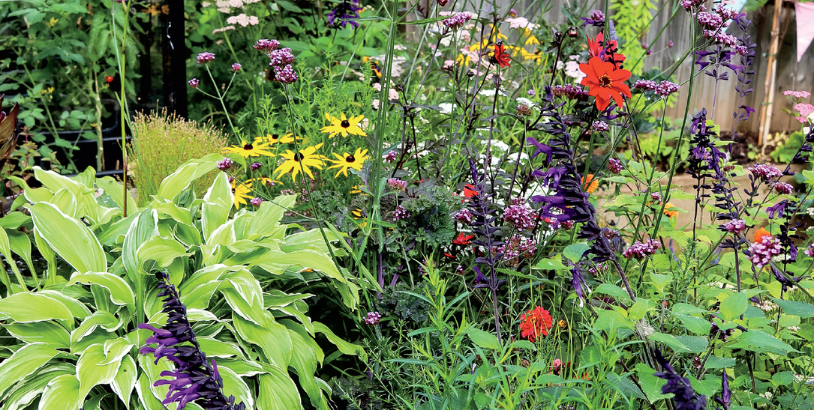
The trick to controlling pests without pesticides is to create an environment where they cannot thrive. Read on to discover natural ways to build a pest-resistant garden!
The following excerpt is from Grow A New Garden by Becky Searle. It has been adapted for the web.
Managing Pests
Pests can be extremely contentious. There are those of us who would rather pretend the pests don’t exist and turn a blind eye to the damage, and those who wage a constant war. But some gardens are more prone to pests than others – why is that?
The key to good pest management in organic gardening is to create an environment where pests cannot thrive. This doesn’t mean making it so hostile that nothing can survive but rather creating a balanced and sustainable ecosystem where pests are not the dominant life form.
Controlling Pests Organically
Dealing with pests can be enormously frustrating. I have a healthy population of cutworms in both my garden and my allotment. They crawl through the soil and eat the roots of my young plants, including grass, resulting in huge losses of my carefully cultivated seedlings and in patchy grass. If I were remotely inclined towards destruction, a broadbrush ‘kill them all and start again’ approach could seem very tempting. There is a pesticide that you can apply to your lawn for the small cost of about £9 (around USD 12 at the time of writing). Whilst I have not looked into the other effects of this treatment, I would be prepared to bet that cutworms and leatherjackets aren’t its only victims within the soil. There are, thankfully, plenty of ways that we can reduce pests organically. I have combined my love of gardening with my knowledge of ecology to bring you my Three Golden Rules for organic pest control.
Rule 1: Know your enemy

A hungry slug squeezed in next to a raised bed to wait for dusk.
Sun Tzu’s famous advice in The Art of War (something gardening is often depicted as) is to ‘Know thine enemy.’ If your garden is suffering the effects of one particular pest, the first thing you should do is some research. Educate yourself about this creature’s lifestyle and lifecycle. It might just turn out that you were inadvertently rolling out the red carpet for them.
Habitat
What habitat does your pest enjoy? Do you have lots of that around your garden? Are you able to reduce the amount of it? For example, slugs like to hide somewhere they are less likely to be eaten in their sleep. So, they enjoy corners, walls and the underside of things, where they are protected on at least one side. Raised beds make excellent slug habitat, providing them with plenty of places to hide from hungry predators. So, if you do have raised beds, ensure the plants you are growing in them are large enough to withstand these pests, or plant something the slugs don’t like to eat. You can also be vigilant and regularly check for and remove slugs, which can help prevent some damage.
Lifecycle
When is your pest active? Does it hibernate, or spend winter as eggs in the soil? It might be that you find one of these stages is easier to control than the others. For example, the cabbage white butterfly likes to lay its eggs on brassicas (like cabbage and kale). The butterflies and eggs aren’t really pests, but the caterpillars are. You can help your brassicas by either covering them with some butterfly netting or being on egg watch during early summer when the butterflies are most likely to be laying. I brush butterfly eggs off the leaves when I find them; if they then hatch, the caterpillars are too small to climb back onto the plant and cause it damage. You should know that butterflies are more than happy to stick their ovipositors (egg-laying parts) through the net. This manoeuvre means you have to make sure the net is raised sufficiently from your brassicas to provide protection.
Predators and Parasites

Another predator is a parasitic wasp that lays eggs inside a caterpillar, which is eaten from the inside out. These are the pupae next to the hollowed-out caterpillar.
What eats your pest? Or kills it in other ways? Is this something you can research and also invite into your garden? For example, my nemesis pest – cutworms – aren’t eaten by birds because they live underground (unless the cutworms find themselves being placed on the bird feeder by a frustrated gardener). They are sometimes eaten by moles but inviting those into your garden is kind of like the lady who swallowed a spider to catch the fly. They are, however, parasitised by nematodes, which (gross alert) crawl in through any orifices and infect the cutworm with bacteria, which kill the cutworm. The nematodes are species-specific and won’t damage your soil ecosystem. If the grass is allowed to grow because of fewer cutworms eating the roots, there will also be fewer bare patches for the adult-stage moths to lay their eggs.
Food
What does your pest like to eat? Do they like young plants? Old leaves? And how do they access their food? For example, woodlice are a problem to some gardeners, but they aren’t good at climbing and they don’t have very strong jaws. Therefore, they tend to go for short, tender plants, especially if they have leaves dragging on the soil. An excellent way to prevent this kind of damage is to plant things out slightly later in the year so they are a little larger and grow a little faster; then, be diligent about checking on your plants and making sure to remove leaves that are dragging on the soil.
Find Out What Pests You May Face
If you don’t know what pests you might face in your new garden but you’d like to be prepared, there are some useful things you can do to find out.
Take a close look: If you are starting with a garden that already has some plants in it, chances are that your garden ecosystem is better than if you were starting with a paved garden or a plain lawn. This is good, as it means you will likely encounter fewer problems. However, it is possible that your garden could have some of the trickier pests. For example, honey fungus (Armillaria mellea) will wreak havoc on your trees in an already-established garden but won’t be present in a garden that has no trees. When you are first observing your garden, it is prudent to carefully inspect what is already there for any signs of damage. If you can spot anything that looks untoward, it may give you a good idea of what you can expect to grow and what might not be so successful. ASK
The Neighbors: If your garden is likely to be regularly visited by a mole, your neighbours will tell you about it! Similarly, if your neighbors see a lot of anything, they will be more than happy to share with you their tales and woes. If you have any neighbours with a proper garden, go ahead and ask.

Sacrificial plants such as nasturtiums can take some of the heat off the plants you want to keep.
Front-line Plants: When you are starting a new garden, you won’t know what you’re going to be up against in terms of pests. There is nothing worse than lovingly raising your favorite plants only to have them eaten overnight when you put them into your garden. Similarly, if you have invested money in these plants, you want to know that they’re going to be able to survive what your garden has in store for them. So if you don’t already know what you might be dealing with, front-line plants are a useful way to get to know the enemy, for example if you’re starting with a bare patch of land.
My favorite front-line plant is lettuce. Because everything eats lettuce, the lens through which you see your pests will be slightly magnified. Lettuce is super easy to grow from seed and the loose-leaf varieties can be grown all year round. Violas are another great frontline option: they are also easy to grow from seed and you can usually buy them at your local garden centre. Violas add a pop of color, too, whilst being super hardy against the cold.
By planting out some seedlings that have cost you little in effort, time or money, you can better figure out what pests you might be up against. This approach isn’t fool-proof, and pests change throughout the year. However, small, just-emerging perennials and new seedlings are the most vulnerable. So, if you can scope out the enemy with some throw-away plants, it might just help. The worst that can happen is you get some salad.
Rule 2: Treat the cause
The Second Golden Rule of organic pest control is to take the lesson you are being given. If your garden is suffering from a particular issue, what you are likely to be seeing is the symptom rather than the problem itself. Just like we can’t see the cold virus but we can feel the headache, chills and sneezes. Quite often, the proliferation of a pest, weed or other problem is your garden’s way of saying it needs help. For example, if a plant was wilting, you wouldn’t simply prop the leaves up; you would listen to what it was telling you and give it some water. When you are doing research on your pest, you might come across some clues that will help you.
Quite often the cause is that your garden is not functioning properly as an ecosystem, in which case you will need time, again. However, as we have already learned, predators and parasites won’t come to your garden if there is nothing for them to eat or parasitise, so sometimes you need to be a little bit clever.

My brassicas were entirely stripped in the first year by caterpillars.
Building an ecosystem with less sacrifice: Planting out your garden and watching it get eaten can be pretty soul-destroying. You won’t be the first to have this happen, neither will you be the last. As we said before, ecosystems take time to build, so how can we build an ecosystem that will manage our pests in the long run without sacrificing all your beautiful plants in the short term? There are several ways in which we can do this, and, as with most things, a combined approach is almost always best.
Sacrificial Plants: Sacrificial plants are those that you don’t mind losing to the odd pest or plague. Like front-line plants but after the garden is already going, to take the brunt of any attack. They are often fast growing and should be more tempting as a treat to your pests than the plants you are actually trying to grow. In my vegetable patch, I grow nasturtiums. They aren’t invasive in the UK, and they are delicious to our cabbage white caterpillars that wreak havoc on our brassicas. They are fast growing and you can chop back the damaged and unsightly material only to have them spring back even more vigorous within weeks.
The nasturtiums help to take the heat off my brassicas because the butterflies will often opt to lay eggs on the nasturtiums instead of the kale. The best thing about using sacrificial plants, as opposed to chemicals, is that you are building the ecosystem in your garden. Sacrificial plants will help you to grow what you want whilst still making the prey species available to any predators looking for a new hunting ground. You don’t have to find specific species to complement the plants you are growing either. You can simply grow more of what you love, and protect – with either nets or cages – the ones that you want to keep. If the ones without protection do OK, you can probably do away with the protection.
Rule 3: Be patient
Here’s the thing – all of this requires patience. You have got this far into the book, so that bodes well for you already, but don’t forget that you can’t expect to fix your problems overnight, even if you’re using chemicals. In any new garden, when visited by a pest there is a cycle that we can expect to see. Ecologists call it ‘boom-and-bust population dynamics’, which is actually quite descriptive.
Boom and Bust Populations
Without knowing this nuance of how populations work in nature, your patience might wear a little thin. This information should give you some hope that your work is heading in the right direction. Here’s what it looks like. When a population of something first arrives in your garden, the chances are there will be a lot of food for them to eat (they will have arrived for a reason). And since they only just arrived, there won’t be any predators or parasites yet. Their population will be under optimum conditions, and the chances are they will thrive. This is called a boom. After a certain period (depending on the specific conditions), food will become less available, and some predators and parasites will begin to show up. The pest population will start to go down.
When the pest population starts to go down, there is less food for the predators, so they begin to move on, too. The plants start to recover, and the pest population can begin to regenerate. However, this time round, it won’t take as long for the predators and parasites to come back; some might even have stuck around. The result of this is that even the best population doesn’t reach the same crescendo it reached the first time round; rather it reaches a smaller peak and then starts to go down. This pattern continues, like a bouncy ball, and slowly the population bounce-backs get smaller. In time the population of this pest will be at a manageable level, where you probably won’t notice it.
Common Garden Pests
The pests that you experience most in your garden will depend on your location, your climate, the vegetation in your garden and, sometimes, your unique bad luck. This list is by no means exhaustive, but once you get the hang of controlling the most common pests you can do your own research into the more obscure ones.
Slugs and snails
What the damage looks like: All the leaves missing from a plant and just the stems remaining; large holes on leaves, usually from the outside in; silvery slime trails Slugs and snails are a common problem in gardens, and one of the pests that I get asked about the most. Silver trails and large sections missing from your leaves are their calling card. Slugs and snails love untidy gardens as there are plenty of places for them to hide. They also like damp spaces, so the bottoms of walls and around raised beds where they can tuck into the grass or soil at the bottom is perfect. Having plant leaves trailing on the ground can often cause problems with slugs, so maintaining your plants well can immediately reduce the amount of damage caused.
Choosing plants that are less palatable to slugs and snails can also help. Red foliage tends to be less tasty than green; and anything with soft or tender leaves will be easier for them to eat. These plants may need a little extra protection. If you find that your seedlings are being demolished by slugs or snails, you may want to start your plants in a greenhouse or on a sunny windowsill until they are a little larger. When temperatures start to rise in spring, and there are more hours of sunshine, plants will grow faster. What this growth spurt often means is that they are more able to defend themselves from pests such as slugs and outgrow the damage.
Regularly checking for slugs and snails around your pots and trays can also help to reduce damage. You can collect up your slugs and snails and relocate them. Be aware that slugs can travel back to your garden (particularly if they have their eyes on your hostas!), so I recommend taking them at least 20m (65ft) away and depositing them somewhere that won’t make you any enemies!
Aphids

These aphids are enjoying sucking the sap from a rose bud.
What the damage looks like: Flowers developing poorly; usually before you notice any damage, the actual aphids on the plants in green, black, brown or grey, most commonly at the top of plants near flower buds.
Aphids are sap-sucking insects that generally appear in spring and concentrate themselves around the soft new tissue of a plant, like a plant’s buds. But they are easy to manage organically. Remember to check your plant and either wipe them off by hand or use a spray bottle to knock them off your plant with water. Once on the ground they won’t be able to get back up onto your plant, and they will be easy pickings for predators.
Caterpillars
What the damage looks like: Large sections of the leaves missing, either from the inside of the leaf, working outwards or from the outside in; blackish-green poop underneath the damage.
Caterpillars can appear in vast numbers in the garden, but they are tasty to many creatures. They are also regularly parasitised by wasps. If your plants are healthy and growing in healthy soil with plenty of access to a full suite of nutrients, some will be able to create chemical compounds to attract parasitic wasps. Attract birds into your garden by having bird feeders and bird houses to help control caterpillar populations. Nets can create a physical barrier to prevent caterpillar damage. By netting a few plants and leaving others, you can create a balanced ecosystem over time, without compromising the plants that you want to protect.
Bear in mind if you are using nets: they can trap birds from time to time, so it’s important to check them regularly and ensure that they are well secured. Butterflies also have no problem laying their eggs through nets if they can reach the plant, so make sure the net is raised above the level of the plant.
Mammals
What the damage looks like: Varies; small animals – eaten seeds, preventing germination; other animals – eaten leaves, bark or shoots.

Some mammals, like these deer, can cause havoc in gardens.
Mice, rats, rabbits, deer and other mammals can be voracious feeders in your garden. These kinds of creatures will require physical barriers to prevent damage. In the case of larger mammals, fences and guards can be used. Smaller mammals can be troublesome because they can burrow underground. Growing particularly susceptible plants in containers can help, as can using shelves to create a little distance between the pest and your plants. Strong-smelling plants such as chives next to your precious plants like lettuce, can also help to deter small mammals.
Cutworms
What the damage looks like: Plants wilting (they have been severed from their roots); patchy lawn. Cutworms are a type of moth caterpillar that lives in the soil. They eat the roots of plants, particularly grass, creating bare patches in our lawns and devastating our vegetable gardens.
Cutworms prefer to travel through moist soil, and the moths need bare patches of soil to lay their eggs. Generally, they will only predate or cause problems to the roots of poorly established or young plants. So, nurturing your plants for a little longer before planting them outside can help to make them more robust against cutworms. An effective treatment for cutworms can be an application of nematodes. These little worms are available to purchase, and you can get nematodes specifically for controlling cutworms. The nematodes enter a cutworm’s body and deposit bacteria that kill the cutworm. Not a very nice way to die, I think we’ll all agree, but cutworms fail to generate too much sympathy from gardeners. The good thing about using nematodes on the cutworms is that they then ensure there are no bare patches in your garden for the moths to lay their eggs. You may be able to fix the problem with a single treatment.
Recommended Reads
Read The Book

Grow a New Garden
Plan, design and transform any outdoor space
$34.95
You may like...
-
 $34.95
 -
$29.95
-
$34.95


Recent Articles

All hail the mighty garlic clove! Become a master at garlic growing with these simple tips for growing no-till garlic from seed to harvest.
Read More
Try your hand at preserving veggies by freezing them! Freezing vegetables is a quick, simple way to preserve them for winter meals.
Read More
As your favorite variety of home grown tomatoes start ripening on the vine this summer, be sure to save those seeds for next year’s planting.
Read More
Curious about carrots? Before you get started on cultivating, check out these insights on growing & harvesting carrots from gardening expert Will Bonsall.
Read More
Squash newbies, this one’s for you! Learn how to harvest, cure, and store squash with these tried-and-true techniques from gardening expert Carol Deppe.
Read More