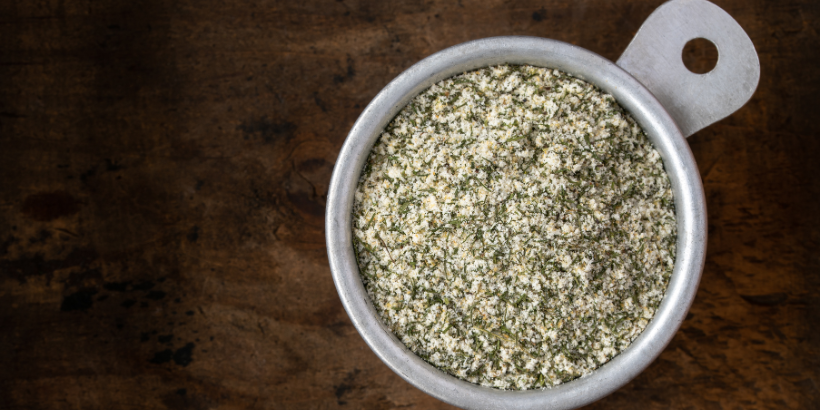
Ditch ordinary spices and unlock your local flavors with wild seeds! Dill Weed Seasoning is a simple, tasty blend of dried herbs and wild dill weed. It makes a delicious, flavorful, versatile spice mix to season many dishes! The use of wild seeds as spices allows you to explore your true local flavors and create a deeper connection to the land.
Nowadays it’s easy to go to the store and buy your spices, but I think that in the process, we are missing so much! The use of wild seeds as spices allows you to explore your true local flavors and create a deeper connection to the land.
In every region, you can find seeds that reflect the environment. Sprinkling toasted thistle sage seeds on a humble side dish like boiled watercress leaves with a touch of soy sauce can truly elevate it to a new dimension.
Wild Dill
ANETHUM GRAVEOLENS
Wild dill is originally from the Mediterranean region and western Asia. It has spread and can now be found in various parts of the world, including North America. I can’t tell the difference between cultivated dill and the wild dill I’ve encountered while foraging in Colorado; they’re probably the same plant species with similar characteristics and uses.
There is another plant in North America that goes by the common name “wild dill.” The Latin name is Perideridia americana. It’s also called the American wild carrot or yampah, but this plant has nothing to do with dill. While both are members of the Apiaceae family, they are different plants.
Identifying wild dill involves observing several specific characteristics.
The plant is known for its delicate, feathery leaves that are finely divided and thread-like and typically bright green in color. These leaves give wild dill a soft, airy appearance. The plant produces small yellow flowers that grow in flat-topped clusters called umbels, which can be 4 to 6 inches (10–15 cm) across. These clusters are a distinguishing feature during the blooming season, which usually occurs from midsummer to early fall. Wild dill commonly reaches a height of 2 to 3 feet (60–90 cm), making it easy to spot in the environments it thrives in.
Like wild carrots and fennel, wild dill is most often found in fields, meadows, and along roadsides, preferring welldrained soil and full sunlight. The plant has a distinct, strong, aromatic scent similar to that of cultivated dill, which becomes especially noticeable when the leaves or stems are crushed.
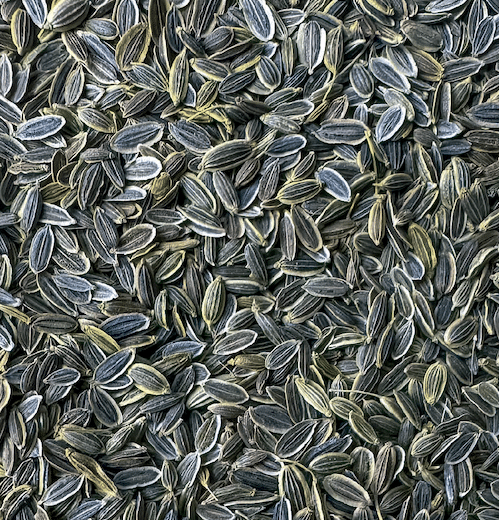
This characteristic scent is a key identifying feature and can help distinguish wild dill from other similarlooking plants. Dill seeds are another important feature; they are flat, oval, and brown with light brown lines.
When identifying wild dill, it’s essential to be aware of poisonous lookalike plants such as poison hemlock.
Poison hemlock, which is highly toxic, has similar feathery leaves but can be identified by the purple blotches on its stems. Due to the risk of confusing wild dill with poisonous plants, proper identification is crucial. Always use a reliable field guide or plant identification app, and consider taking a foraging workshop or joining a local foraging group for practical, hands-on experience. There are numerous identification groups on social media that can be helpful as well.
A harmless, edible lookalike is fennel (Foeniculum vulgare), which also has feathery leaves but can be distinguished by its licorice or anise scent.
Culinary Uses
Dill seeds are used extensively in various cuisines around the world. They taste slightly sweet and remind some people of caraway or anise. They also have a mild citrus flavor. If you pay close attention, you might also notice a mild sweetness like carrots, but this isn’t its main flavor.
Dill seeds contribute a strong, tangy taste that works well in pickles, stews, breads, and vegetable dishes. They have a strong smell, making them a popular spice in many recipes.
Seasoning: Dill seeds can add a bright, citrusy flavor to vegetables, meat, or fish dishes. They can be used whole or crushed, either at the beginning of cooking for a mellower flavor or toward the end to preserve their pungency. Dill seeds pair well with cream dishes and root vegetables. I often toast dill seeds prior to using them.
Pickling: Dill seeds really shine with pickling. They are a key ingredient in pickling spice and can be added to brines for cucumbers, beets, carrots, and other pickled vegetables.
Soups, stews, and sauces: Dill seeds can be used to flavor soups, stews, braised dishes, and sauces, especially in the winter.
Other dishes: I sometimes add dill seeds to my sourdough or curly dock breads.
LEMON DILL WEED SEASONING
I use this seasoning on vegetables, roots like carrots, and my wild food salads. It can also be used in dips or on fish and chicken.
Ingredients
2 tablespoons minced lemon zest (about 2 large lemons)
1 tablespoon dried dill weed
1 teaspoon dill seeds (preferably toasted)
1/2 teaspoon wild fennel seeds
1/2 teaspoon onion powder
1/2 teaspoon ginger powder
1/2 teaspoon garlic powder
1/2 teaspoon salt
Method
Spread the lemon zest on parchment or wax paper. Cover loosely with a paper towel and let sit at room temperature until completely dry, about 1 day.
Once the lemon zest is dry, add it to a stone mortar along with the remaining ingredients. Grind the mixture with a pestle until well combined. Alternatively, you can use a coffee grinder, but be careful not to overdo it—keep the ingredients somewhat coarse.
Transfer the seasoning to a spice jar. This seasoning can be stored at room temperature for several months.
These small fruits are a delicious source of nutrients that you can find almost anywhere. Get started on acorn harvesting with help from these simple tips!
Want an on-the-go snack without having to go to the grocery store? Whip up this homemade applesauce for a fresh fall snack whenever you get the craving!
The possibilities are pretty much endless with wild ingredients — use almost any fresh fruit or juice and a sweetener to create your own custom jam or syrup!
Small But Mighty! Crab Apples are easy to find, simple to store, and incredibly flavorful. Keep reading to learn more about the unsung heroes of the apple family.