

Foraging 101: Where to find your bounty
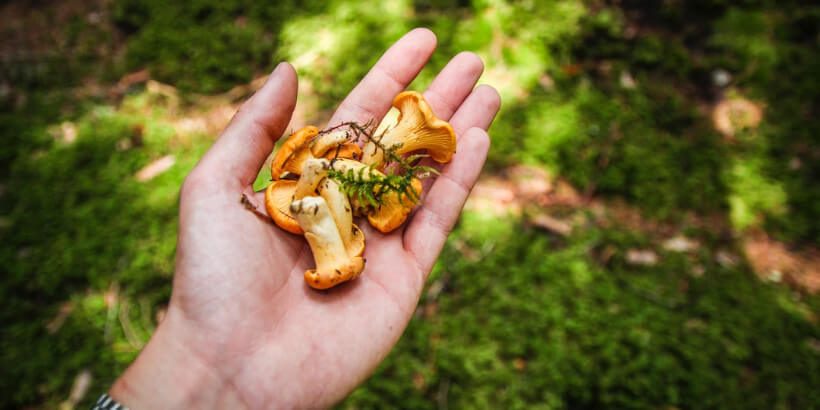
Foraging wild plants in your area is a great way to shake up your culinary delights. Don’t know where to start? Read on for the information you need to begin foraging on your own: where to do it and how to be safe. So go forth, young foragers, and start gathering your bounty.
The following excerpt is from Forage, Harvest, Feast by Marie Viljoen. It has been adapted for the web.
Where to Forage?
For urbanites, the local farmers market is becoming an exciting place to find and sell wild foods. I am enchanted to see edible invasives in neat bundles on market tables. But it is all about context. If paying $5 for a bunch of field garlic or $25 for 1⁄4 pound of mugwort that you could forage for free is unappealing (or wildly funny when you see it growing 10 feet away along a chain-link fence), begin scouring your neighborhood.
As you learn a new plant, you will begin to notice where it grows.
Even in cities there are places where you can gather lamb’s quarters and amaranth in abundance, or pick pounds of ripe serviceberries and black cherries. Make friends with local community gardens, and with your neighbors.
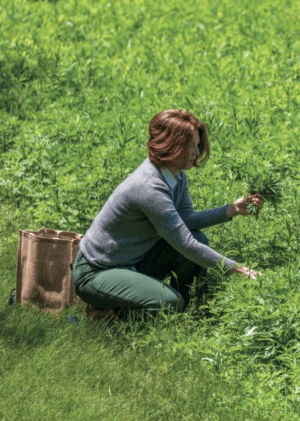 Liaise with the stewards of your local parks and advocate for removing invasive edible species for them. Sometimes you can join a volunteer day of weeding and take home the spoils. And if diplomacy fails, I certainly admit to furtive invasive weed foraging where I know the plant is simply a pest.
Increasingly, landscape architects and city planners are deploying more edibles in their projects.
If that is not already happening in your area, encourage it. I am very lucky to have a spectacular local classroom, the Brooklyn Bridge Park. Its creators and designers included a significant list of edible American plants. While foraging is not allowed, it is an ideal setting to learn and teach about plants with native edible potential in order to encourage their use in home gardens, large or small. Down the road the Gowanus Nursery sells many of these plants. This kind of natural partnership (which happens to be fortuitously accidental, in this case) should be more common.
If you have access to bona fide nature, you are privileged. Be respectful.
Forage for the future, in moderation, and without stomping native ephemerals. If you are city-bound but would like a wild foraging spot, connect with local land trusts and preserves and make friends with landowners who might allow you to forage on their land. They do exist. If you are a landowner, consider the wild edible potential of your land and how best to curate and conserve it.
Some of my best forages have come from farm meadows and fencerows, with the farmer’s permission. Again, it is about approaching the people in charge and asking, nicely. Usually, the answer is an amused affirmative. Weeds in crop rows can be good to gather if they have not been subjected to herbicides or high fertilizer application rates. (In relevant chapters I elaborate on safety concerns for specific foraged foods.)
Gardeners and growers are also lucky. You have a lot to draw on in terms of wild flavor. Depending on your microclimate and USDA hardiness zone, many edible wild plants can be cultivated. Bring the forages to your own backyard.
Don’t Kill Yourself
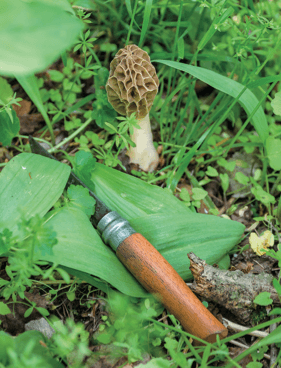 I mean, it’s obvious. Foraging is an act of independence. It carries with it the grave responsibility of informing yourself. Treat all information, including mine, with some circumspection and an open mind. Cross-reference, double-check, and remember that anyone can say anything on the internet with a voice of digital authority. Even published authors get it wrong, sometimes.
Be 100 percent sure of the identification of your plant or mushroom before you swallow it.
Eat only the prescribed part of a plant, at the right stage of growth. If a recipe says cook the plant, cook the plant.
If you are eating a new food, there is always a rare possibility of an allergic reaction. Eat a small amount and wait twenty-four hours to see if you puff up or lose your lunch.
Foraging can be an individual act or a communal one—just like eating. Incorporating wild foods into your everyday cooking means finding them, and finding them often leads to meeting others with similar passions. As much as I hope this book leads to the rediscovery of lost tastes and a renewed appreciation for the plants that provide them, I hope it leads to feasts with family and newfound friends.
Or if you are a misanthropic loner like so many of us foragers are, a feast at a table for one.
Recommended Reads
Read The Book

Forage, Harvest, Feast
A Wild-Inspired Cuisine
$40
You may like...
-
 $29.95
 -
$34.95
-
$34.95


Recent Articles

These small fruits are a delicious source of nutrients that you can find almost anywhere. Get started on acorn harvesting with help from these simple tips!
Read More
Want an on-the-go snack without having to go to the grocery store? Whip up this homemade applesauce for a fresh fall snack whenever you get the craving!
Read More
The possibilities are pretty much endless with wild ingredients — use almost any fresh fruit or juice and a sweetener to create your own custom jam or syrup!
Read More
Fermenting mead is an ancient practice. With step-by-step instructions, learn how to brew fruit-based and flower meads, from foraging to fermenting.
Read More
Small But Mighty! Crab Apples are easy to find, simple to store, and incredibly flavorful. Keep reading to learn more about the unsung heroes of the apple family.
Read More