One of the most essential parts of raising livestock is feeding your animals the right foods to keep them healthy and productive. Here are some tips for feeding animals on your farm to make it a bit easier!
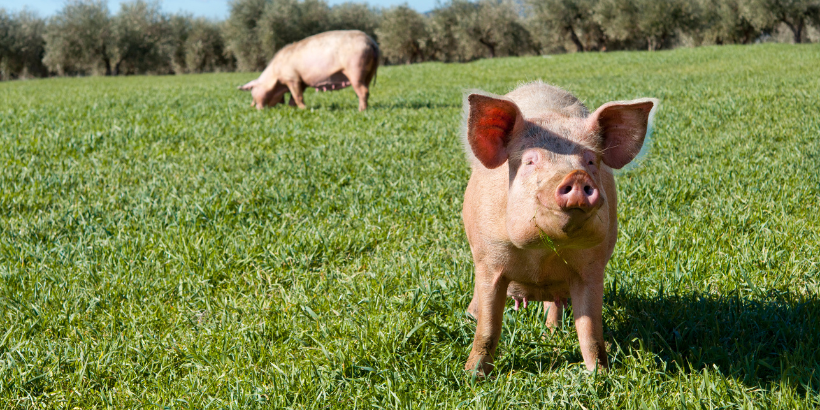
Agricultural expert Rudolf Steiner’s first guiding line for feeding animals was that they should be outside, giving them the opportunity to come into relationship with the surrounding world by sense perception in the finding and taking of their food.
Then there is the guiding line that the head needs substances from the earth and the body needs substances from the air, which it receives in homeopathic doses.
So he recommended feeding roots and hay to growing stock, such as carrots for the head and grass to assist it in passing through the body.
For milk production we need to stimulate the middle of the animal, and a plant strong in foliage like clover is best.
How to Fatten An Animal
To fatten an animal we use seeds, fruits, and feed with what Steiner called the “fruiting process” enhanced, done by cooking, steaming, or drying.
Even cultivation, which makes things like turnips and beets grow bigger than in the wild, he called a fruiting process.
Quality salt is important, too, and we make sea salt available for all our farm animals. It contains many trace elements, which afterward are spread over the pastures in a more readily available form after passing through the cattle.
Feeding Animals: What Do They Eat?
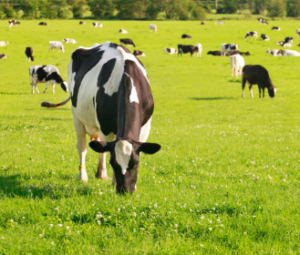
Our cows eat grass, clover, and whatever else they can find in the pastures.
The more we rotate pastures, the better the cattle and the pastures look, but the more they complain if they don’t get moved to better forage.
I can barely grow enough carrots for the CSA, let alone for stock feed.
Twice we have taken the effort to cook food for the pig, and it made an unbelievable difference. Cooking makes food more digestible.
We just boiled discarded sweet potatoes, Irish potatoes, and butternuts until soft, as these are what we have a lot of.
We process hogs with the neighbors, and everyone was duly impressed when we split ours open. Instead of a uniform, light pink, the insides were bursting with colors.
They hadn’t seen that since their families raised pigs back in the old days, when preparing hog slop was a daily chore. Salted, smoked, and hung for five years, it made for the best of meats.
Growing your own berries is entirely possible for anyone with a bit of space and a passion for raspberries. With proper planting, location & care they’ll flourish!
Do you have an old, worn-out pair of jeans in your dresser? Instead of throwing them out, try to grow mushrooms on them. Follow these guidelines to get started.
Discover the magic of oyster mushrooms! They can grow almost anywhere. Straw is a surprisingly simple way to cultivate the ever-popular oyster mushrooms.