

RECIPE: It’s The Perfect Time For Rosehip Jam
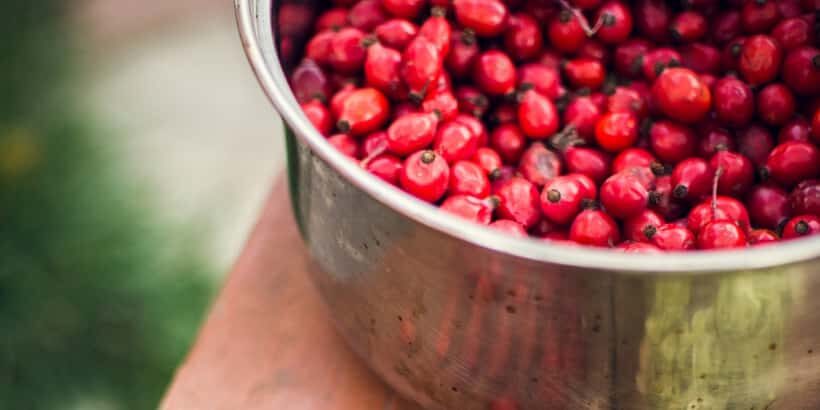
All good things must come to an end– and that includes warm summer nights. But with the close of summer comes overnight frosts, the ideal time to gather plump, ripe rosehips. A rosehip’s sweet, unique flavor is perfect on morning toast. There are endless variations on ingredients and many ways to make rosehip jam. Here are two simple techniques – no canning or freezing required!
The following is an excerpt from Preserving Food Without Freezing or Canning. It has been adapted for the web.
Marinated Rosehip Jam
VARIATION 1
- Rosehips (fruit of the wild rose)
- White or red wine (optional), or water
- Sugar
- A preserving pan or large saucepan
- A food mill
- Canning jars and lids
This jam is seldom made, unfortunately. It’s true that you have to gather rosehips during the winter, after several frosts have softened them. The cold and the wild-rose thorns take their toll on your fingers, and the preparation for this jam takes quite a bit longer than for most other kinds. Having said this, the delicious taste and velvety smoothness of rosehip jam make it all the more worthwhile! Rosehips are also very rich in vitamin C (one-half pound of rosehips contains as much as is found in two pounds of lemons). The Causses region, where I live (in extreme south-central France) is poor, but covered with wild-rose bushes. Every year, I partake of frozen, silent mornings, for the pure pleasure of giving my friends this glowing nectar to savor.
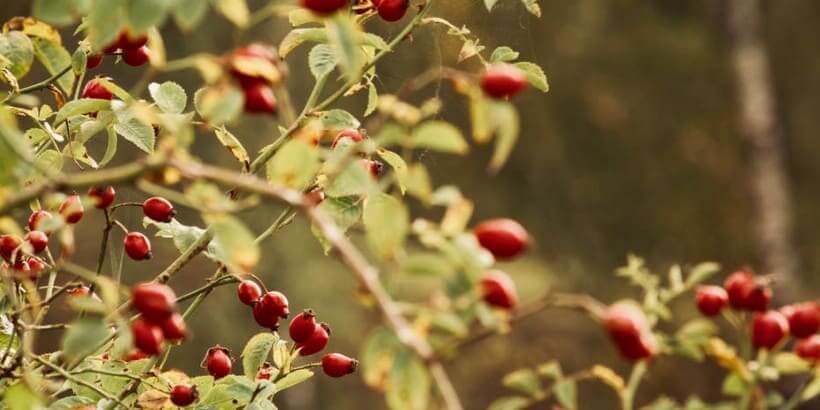
Pick the rosehips when they are very soft (January or February, depending on the winter). Remove the black tip from each end, place the fruit into a preserving pan, and cover it with a good white or red wine. Marinate one week, stirring every day. (You can leave out the wine and omit this marination step, cooking the rosehips with just enough water to cover them, but the flavor of the jam will be different. Jams made with white wine or red wine also taste different from each other, but they’re both a treat!)
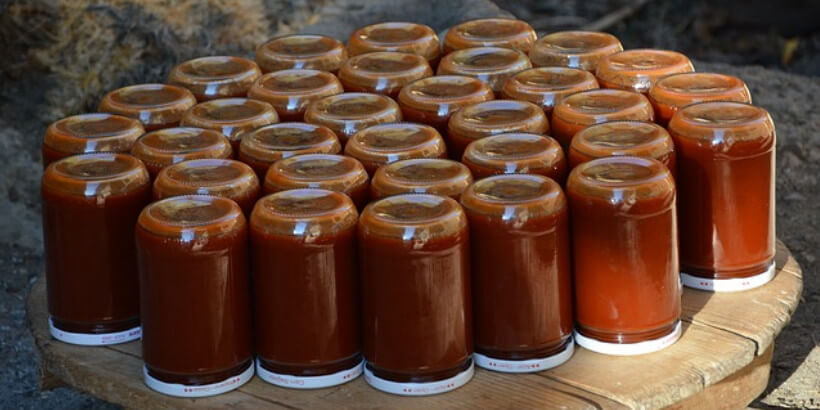
After one week, cook the contents of the pan over high heat for fifteen minutes. Then put the rosehips through a food mill, using a fine grind (this is the longest part of the process, due to the quantity of seeds in rosehips). Weigh the purée obtained and add one and two-thirds pounds of sugar per two pounds of purée. Cook this mixture for thirty minutes, stirring constantly. Put the jam in jars and seal them. The consistency of the jam will vary from year to year; some years it comes out firmer than others.
VARIATION 2
- Rosehips
- Sugar
- A large saucepan
- A food mill
- Canning jars and lids
Gather the rosehips when they are very ripe, immediately after the first frosts. Sort and wash the rosehips, if necessary. Immerse them in boiling water for a few minutes; then put them through a food mill with the cooking water, using a fine grind. Weigh the puréed rosehips, and add one and one-third pounds of sugar per two pounds of purée. Cook this until thick enough. Put it in jars, closing them immediately. The normal consistency of this jam is thick, but it will become very hard if you cook it for too long.
Uncooked Rosehip Jam with Honey
- Rosehips
- Liquid honey
- A food mill
- Canning jars and lids
Pick the rosehips after the frost, when they’ve become soft. Wash them, remove the stems and the black tips, and purée the fruit in a food mill. Using the back of a knife, scrape off the purée that comes out. This process may seem long and tedious, but it’s worth it. Mix the purée along with an equal amount of liquid honey. This jam is very rich in vitamin C and will keep indefinitely. You can serve it as a garnish on desserts, cakes, and so on.
Recommended Reads
Read The Book

Preserving Food without Freezing or Canning
Traditional Techniques Using Salt, Oil, Sugar, Alcohol, Vinegar, Drying, Cold Storage, and Lactic Fermentation
$25
You may like...
-
 $40.00
 -
$29.95
-
$27.95


Recent Articles

All hail the joyful juneberry! While these berries taste wonderful when they’re fresh, you can also preserve them and create beverages with them.
Read More
Looking for something to munch on that’s both tasty and good for you? These ginger carrots are a healthy snack that are easy to make at home! The following excerpt is from The Heal Your Gut Cookbook by Hilary Boynton and Mary G. Brackett. It has been adapted for the web. Ginger Carrots Recipe…
Read More
Do you have an old, worn-out pair of jeans in your dresser? Instead of throwing them out, try to grow mushrooms on them. Follow these guidelines to get started.
Read More
Mead is one of the oldest fermented beverages and is made by fermenting honey with water, offering countless flavor possibilities. Let’s dive into the world of mead making!
Read More
Learn how to make the anti-inflammatory cocktail, Gates of Immortality! This is a vibrant, botanical twist on the classic Whiskey Smash.
Read More