

| Pages: | 256 pages |
| Size: | 6 x 8 inch |
| Publisher: | Permanent Publications |
| Pub. Date: | July 29, 2014 |
| ISBN: | 9781856231756 |
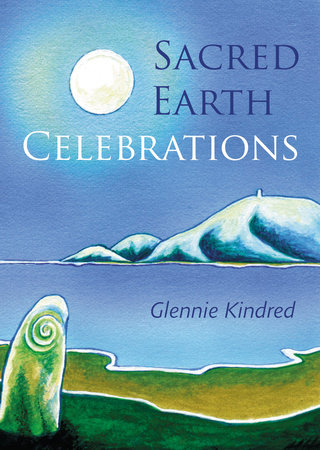
Sacred Earth Celebrations, 2nd Edition
Paperback
$18.95
An uplifting and inspiring source book for everyone seeking to celebrate and honor the changing rhythms and seasons of the Earth and her cycles.
Sacred Earth Celebrations is the revised and updated version of Glennie Kindred’s bestselling, classic book, Sacred Celebrations. Uplifting and inspiring, it explores the eight Celtic festivals, how they were celebrated and understood in the past, the underlying changing energy of the Earth, and the ways we may use this energy to create meaningful celebrations for today to deepen our connection to the Earth and our fellow human beings.
Glennie offers a vibrant, contemporary approach and encourages us, whether celebrating on our own or with family and friends, to follow our own inspired interpretations of each festival. She helps us touch the sacred, share and participate in the power of nature, express our feelings, and find ways to focus on spiritual regeneration and healing.
Sacred Earth Celebrations deepens our understanding of the five elements, the laws of manifestation, the rhythms of the Moon, Earth energies and sacred landscape, inner journeying, and meditation. It explores ways to create sacred space both inside and outside, celebrations for children, crafts, the use of song and dance, garden and land projects, building a sweat lodge and labyrinths, and many other creative activities to help us connect to the moment, to the Earth, and to each other.

About Glennie Kindred
Glennie Kindred is the author of twelve books on Earth wisdom, native plants and trees and celebrating the Earth’s cycles, including Earth Wisdom, A Hedgerow Cookbook and Letting in the Wild Edges. She is a highly respected teacher and much loved expert on natural lore and Earth traditions. She has a strong and committed following and is renowned for her ability to enthuse people with joy, love and wonder for the Earth, for creating simple heart-felt ceremony and the power we collectively have to bring about change, both for ourselves and for the Earth.
Books by Glennie Kindred


You may also like...
-
 $75.00
 -
$24.95
-
$24.95


