

On Foraging and Picking Wild Plants
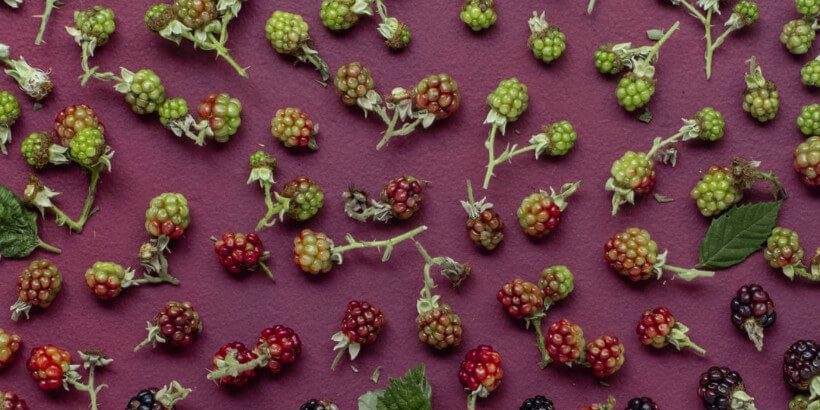
Foraging for your own food limits your carbon footprint and helps to maintain the natural landscape. Done correctly, it reconnects us to nature while limiting our impact on our natural surroundings. Humans need to be an active part of changing the environment—even on this small scale.
The following is an excerpt from Wildcrafted Fermentation by Pascal Baudar. It has been adapted for the web.
Like many of our human activities, foraging can be done for good or evil; it can help the environment or intensify sustainability issues.
Over the years I’ve learned to streamline my activities so as to minimize my impact on nature. It’s been a learning curve with trials and errors, but these days I actually think foraging can be done in such a way that you help your local environment by removing non-native plants (pretty much 90 percent of what I pick) and harvesting sustainably or growing the native plants you need. As far as I can remember, at this point I’ve pretty much replanted all the plants I used in this book in much larger quantities than I’ll ever use, mostly on private lands owned by friends.
You don’t need to be a fanatic tree-hugger to see that our planet faces real problems such as pollution, climate change (natural or not), human expansion, loss of natural habitat, species extinction, and much more. At this time in our evolution, we absolutely need to be part of the solution, and this responsibility even applies to the simple act of picking wild plants. We must make sure that our picking wild plants for food, drinks, or medicine is done carefully, with environmental health and integrity in mind.
Picking plants and berries for food or making drinks can connect us back to nature: It is a sacred link that, as a species, we all share. We are here because our ancestors had a very intimate relationship with nature, knew which plants to use for food or medicine, and in many instances knew how to sustainably interact with their wild environment. No matter where we live, it’s part of our cultural DNA.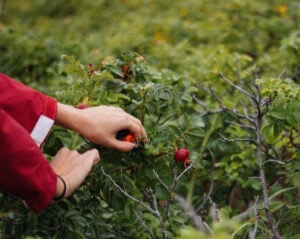
I personally don’t think the impulse to protect nature at all costs with a look-don’t-touch mentality will work. Growing up in Belgium, I came by my love for nature through a deep interaction with my wild surroundings. If you truly love something, you will take care of it and make sure it is still there for generations to come.
When I was a kid, raising animals, growing food in our garden, and picking up wild berries, nuts, and plants weren’t considered weird or special; they were a normal part of life. The knowledge was used by elders, who would pass it on to the next generation. In many modernized countries, this cycle of transferring knowledge has been lost.
Very valuable and nutritious foods such as dandelion, mallow, and other plants are looked upon as “weeds,” and TV commercials gladly promote the use of toxic chemicals to destroy them. The people I’ve seen trashing the wilderness are the product of our current society. If you don’t know or understand the value of something, you simply won’t care for it.
So do it the right way! Respect the environment, learn which plants are rare or illegal to pick, don’t forage plants in protected areas (natural preserves and the like), work with native plant nurseries, and educate yourself on how to grow native plants and remove non-natives.
If you take from nature, work with her and make sure you always plant more than you’ll ever take. That way future generations will have the same creative opportunities you presently have—or more.
Recommended Reads
Read The Book

Wildcrafted Fermentation
Exploring, Transforming, and Preserving the Wild Flavors of Your Local Terroir
$29.95
You may like...
-
 $40.00
 -
$29.95
-
$34.95


Recent Articles
Small But Mighty! Crab Apples are easy to find, simple to store, and incredibly flavorful. Keep reading to learn more about the unsung heroes of the apple family.
Read More
Try your hand at preserving veggies by freezing them! Freezing vegetables is a quick, simple way to preserve them for winter meals.
Read More
Add a rich and robust twist to your meals with help from red wine salt! This seasoning is a perfect addition to dishes like short rib, potatoes, and more.
Read More
Raspberries: they’re sweet, flavorful, and extremely versatile. Forage for raspberries yourself and use them to create delicious dishes!
Read More
This summer vegetable tian is the perfect easy side dish. Layers of eggplant, zucchini, tomato, & red onion make this dish healthy, colorful, and delicious!
Read More