

Earth Day Reading: 13 Essential Books
This year, people all around the world are celebrating a milestone—the 50th anniversary of this international day of action for our environment. Why not celebrate Earth Day by reading about our great planet? We’ve compiled 13 books to get you started!
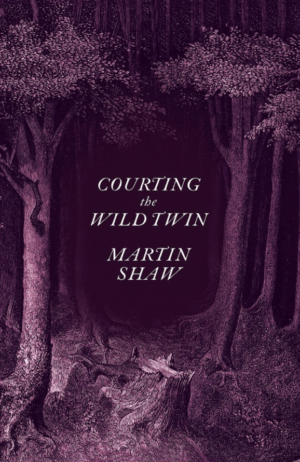 In Courting the Wild Twin, Dr. Martin Shaw invites us to seek out our wild twin––a metaphor for the part of ourselves that we generally shun or ignore to conform to societal norms––to invite them back into our consciousness, for they have something important to tell us.
He challenges us to examine our broken relationship with the world, to think boldly, wildly, and in new ways about ourselves—as individuals and as a collective.
Featured Excerpt:
|
|
|---|
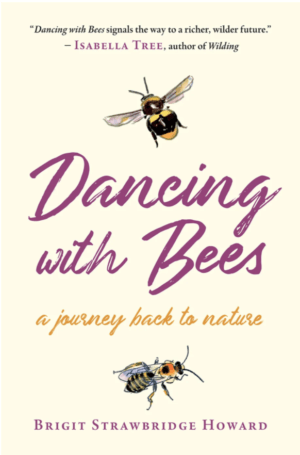 Brigit Strawbridge Howard was shocked the day she realised she knew more about the French Revolution than she did about her native trees. And birds. And wildflowers. And bees. The thought stopped her—quite literally—in her tracks.
But that day was also the start of a journey, one filled with silver birches and hairy-footed flower bees, skylarks, and rosebay willow herb, and the joy that comes with deepening one’s relationship with place.
Dancing with Bees is Strawbridge Howard’s charming and eloquent account of a return to noticing, to rediscovering a perspective on the world that had somehow been lost to her for decades and to reconnecting with the natural world.
Featured Excerpts:
|
|
|---|

The consequences of losing beavers were profound: streams eroded, wetlands dried up, and species from salmon to swans lost vital habitat. Today, a growing coalition of “Beaver Believers”—including scientists, ranchers, and passionate citizens—recognizes that ecosystems with beavers are far healthier, for humans and non-humans alike, than those without them.
Featured Excerpts:
How Beavers Can Save the World from Environmental Ruin
|
|
|---|
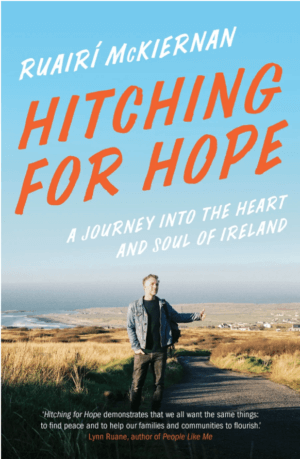 Following the collapse of Ireland’s Celtic Tiger economy, social activist Ruairí McKiernan questions whether he should join the mounting number of emigrants searching for greater opportunity elsewhere. McKiernan embarks on a hitchhiking odyssey with no money, no itinerary and no idea where he might end up each night.
His mission: to give voice to those emerging from one of the most painful periods of economic and social turmoil in Ireland’s history. Engaging, provocative and sincere, Hitching for Hope is a testimony to the spirit of Ireland. It is an inspirational manifesto for hope and healing in troubled times.
Featured Excerpts:
|
|
|---|
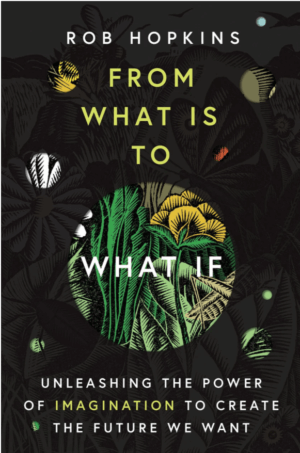 In these times of deep division and deeper despair, if there is a consensus about anything in the world, it is that the future is going to be awful. There is an epidemic of loneliness, an epidemic of anxiety, a mental health crisis of vast proportions, especially among young people.
There’s a rise in extremist movements and governments. Catastrophic climate change. Biodiversity loss. Food insecurity. The fracturing of ecosystems and communities beyond, it seems, repair. The future—to say nothing of the present—looks grim.
From What Is to What If is a call to action to reclaim and unleash our collective imagination, told through the stories of individuals and communities around the world who are doing it now, as we speak, and witnessing often rapid and dramatic change for the better.
Featured Excerpts:
What if We Started Asking Better Questions
|
|
|---|
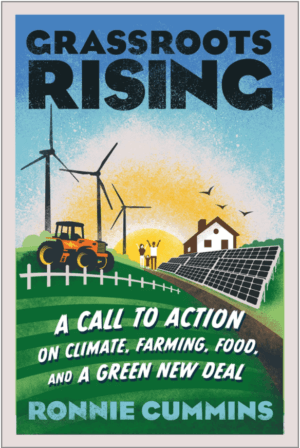 Grassroots Rising is a passionate call to action for the global body politic, providing practical solutions for how to survive—and thrive—in catastrophic times. Author Ronnie Cummins aims to educate and inspire citizens worldwide to organize and become active participants in preventing ecological collapse.
In synergy with the Sunrise Movement and the growing support of a Green New Deal, Grassroots Rising will impact millions of conscious consumers, farmers, and the general public during the crucial 2020 election year and beyond. This book shows that a properly organized and executed Regeneration Revolution can indeed offer realistic climate solutions while also meeting our everyday needs.
Featured Excerpts:
Rules for Regenerators: Search Out and Emphasize the Positive
Road to Regeneration: Starting point
|
|
|---|

Through stories and maps, she reveals how feverish competition among superpower intelligence networks, military, and Big Oil interests have fueled indiscriminate attacks and targeted killings that continue to this day—from Jamal Khashoggi’s murder to drone strikes.
The book delivers an irrefutable indictment of these devastating forces and how the brutal violence they incite has shaped the Middle East and birthed an era of endless wars.
Featured Article: On Birth and Survival: Publishing in the Time of a Pandemic
Featured Excerpt: Chapter One – Tracking Tapline
|
|
|---|
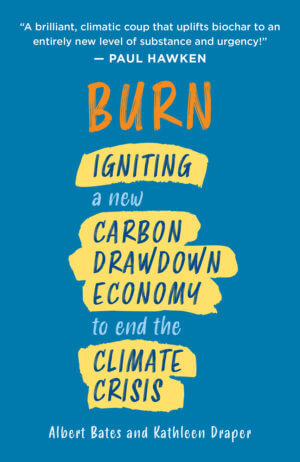 In order to rescue ourselves from climate catastrophe, we need to radically alter how humans live on Earth. We have to go from spending carbon to banking it. We have to put back the trees, wetlands, and corals.
We have to regrow the soil and turn back the desert. We have to save whales, wombats, and wolves. We have to reverse the flow of greenhouse gases and send them in exactly the opposite direction: down, not up. We have to flip the carbon cycle and run it backwards.
Featured Excerpts:
The Evolution of Earth, Humans, and Our Natural Resources
CARBON CASCADES: How to Restore Earth’s Natural Balance
|
|
|---|

Featured Excerpt:
Our Complicated History with Oil, Power, and War
Our History: A Look at Oil, Power, and War
|
|
|---|
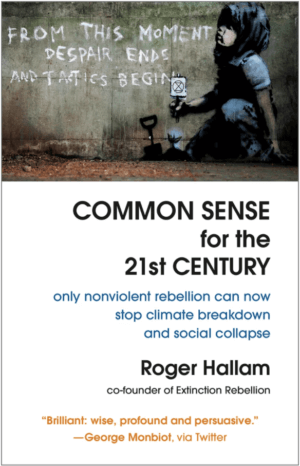 What can we all do to avert catastrophe and avoid extinction? Roger Hallam has answers. In Common Sense for the 21st Century, Roger Hallam, cofounder of Extinction Rebellion, outlines how movements around the world need to come together now to start doing what works: engaging in mass civil disobedience to make real change happen.
The book gives people the tools to understand not only why mass disruption, mass arrests, and mass sacrifice are necessary but also details how to carry out acts of civil disobedience effectively, respectfully and nonviolently.
Featured Excerpt:
When Common Sense Equals Mass Rebellion
|
|
|---|

Trees are our allies in healing the world. Partnering with trees allows us to build soil, enhance biodiversity, increase wildlife populations, grow food and medicine, and pull carbon out of the atmosphere, sequestering it in the soil.
Trees of Power explains how we can work with these arboreal allies, specifically focusing on propagation, planting, and individual species. Author Akiva Silver is an enthusiastic tree grower with years of experience running his own commercial nursery. In this book he clearly explains the most important concepts necessary for success with perennial woody plants.
Featured Excerpt:
Learning from Our Arboreal Allies
|
|
|---|

In this lively and joyous book, Shanahan recounts the epic journeys of tiny fig wasps, whose eighty-million-year-old relationship with fig trees has helped them sustain more species of birds and mammals than any other trees; the curious habits of fig-dependent rhinoceros hornbills; figs’ connection to Krishna and Buddha, Jesus and Muhammad; and even their importance to Kenya’s struggle for independence.
Featured Excerpt:
Snakes and Ladders & Tantalising Figs
|
|
|---|
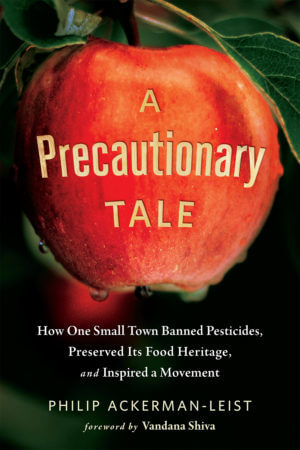 Mals, Italy, has long been known as the breadbasket of the Tyrol. But recently the tiny town became known for something else entirely. A Precautionary Tale tells us why, introducing readers to an unlikely group of activists and a forward-thinking mayor who came together to ban pesticides in Mals by a referendum vote—making it the first place on Earth to accomplish such a feat, and a model for other towns and regions to follow.
Featured Excerpts:
A Grassroots Revolution for Pesticide-Free Communities
You may like...
-
 $30.00
 -
$29.95
-
$17.95


Recent Articles

Do you have an old, worn-out pair of jeans in your dresser? Instead of throwing them out, try to grow mushrooms on them. Follow these guidelines to get started.
Read More
Discover the magic of oyster mushrooms! They can grow almost anywhere. Straw is a surprisingly simple way to cultivate the ever-popular oyster mushrooms.
Read More
Known for their tall stature and distinctive flower heads, cattails thrive near lakes and marshes. From edible shoots and nutrient-rich roots to pollen used in baking, cattails offer a wealth of uses.
Read More
There are several ways to embrace nature – no matter the size of your garden. It’s time to rebug & rewild our gardens, lawns, and parks!
Read More
These much-loved titles are the perfect books for Mother’s Day! Gardening books, cookbooks, memoirs and more — there’s a book for every mom on this list.
Read More