

Publishing in the Time of a Pandemic: On Birth and Survival
The following is by Charlotte Dennett, author of Follow the Pipelines, and originally appeared on Medium.com. It has been adapted for the web.
April 2, 2020 was supposed to be a special day. Not the usual birth-day, mind you. And not the kind of day I anticipated a month ago, before a pandemic took over our lives.
I spent it at home, like most Americans. In the background was CNN’s Wolf Blitzer with his usual, almost hysterical BREAKING news voice, reporting the “alarming” news that Covid-19 can be spread by merely talking to one another, raising the specter of everyone having to walk around with face masks in an increasingly eerie, almost other-worldly landscape populated by white-suited men and women trying to help the stricken.
Other reports that day confirmed that the Pentagon had ordered 100,000 body bags, reminding me of similar announcements made during an uptick of American casualties during the US war in Iraq. Not a comforting reminder, now that Donald Trump has declared himself a wartime president, hoping upon hope that his popularity rating will go up, as happened when George W. Bush salvaged the early years of his presidency by “taking charge” after 9/11, sending troops into Afghanistan to exact revenge on the Taliban for harboring the accused perpetrator, and later extending his own special “fatwa” against Iraq and anyone else who allegedly harbored terrorists anywhere in the world in the name of his “war on terror.”
We know how that ended. In endless wars.
Which brings me back to my special day. April 2, 2020 was the official publication date of my new book, Follow the Pipelines, (Chelsea Green, 2020) whose team has been seeking new ways to keep the house going while protecting its authors and staff.
Under normal circumstances, the release of a new book is a time of heightened apprehension for all concerned in the enterprise. For authors, it’s like giving birth to a creation that began a year — or many years — ago, that consumed most of our time as it grew, was massaged by editors, and was finally delivered — hopefully on time — to an anxious publisher. In this time of pandemic, I am acutely aware that a real-life birth of a child in an under-supplied hospital besieged by overworked doctors and nurses is a frightening prospect — as so vividly described by journalist Amy Littlefield, nine months pregnant, on Democracy Now. So my angst over the birth of my book pales in comparison. But it is real nonetheless. With appearances postponed or canceled from Portland, Maine to Boston to Washington DC ,my publisher and I will be introducing my book to the world in other ways.
And so I begin this blog, so that I can deliver my message not in front of crowds, but online.
If there is a unifying message that connects the suffering of Americans brought on by Covid-19 to the misery of Middle Eastern people brought on by endless wars, that message would be about the indifference of powerful leaders who believe that sacrificing everyday people is an acceptable way to protect the interests of some of our largest corporations. That’s bluntly put, but it is carefully documented in my book.
Just as soldiers were sent into harm’s way in Iraq based on false pretexts and with limited body armor, our brave medical teams are now being placed in extremely dangerous situations without the necessary protections. As one Manhattan nurse recently complained, “We are being sent into battle without the necessary weapons.” President Trump, heeding advice from unnamed business interests who are loathe to “federalize” a response for fear of hurting a “free market economy,” continues, as columnist Frank Rich put it , “to lie his way through the pandemic.”
Meanwhile, Trump fully supported the decision to fire Navy Captain Brent Crozier who went public with his fear that Covid-19 was sweeping through the USS Theodore Roosevelt [affecting 70 sailors at the time and now him as well] warning “if we do not act now, we are failing to properly take care of our most trusted asset — our sailors.” The televised image of the sailors cheering and applauding him for taking a stand should be a lasting reminder of where our loyalties belong. [Breaking News: Acting Secretary of the Navy Thomas Modly, who relieved Capt. Crozier from duty and later called him “stupid,” just resigned over the scandal!]
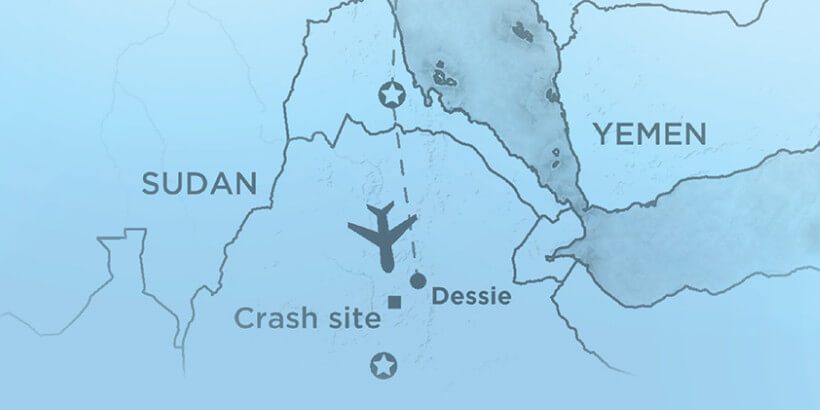
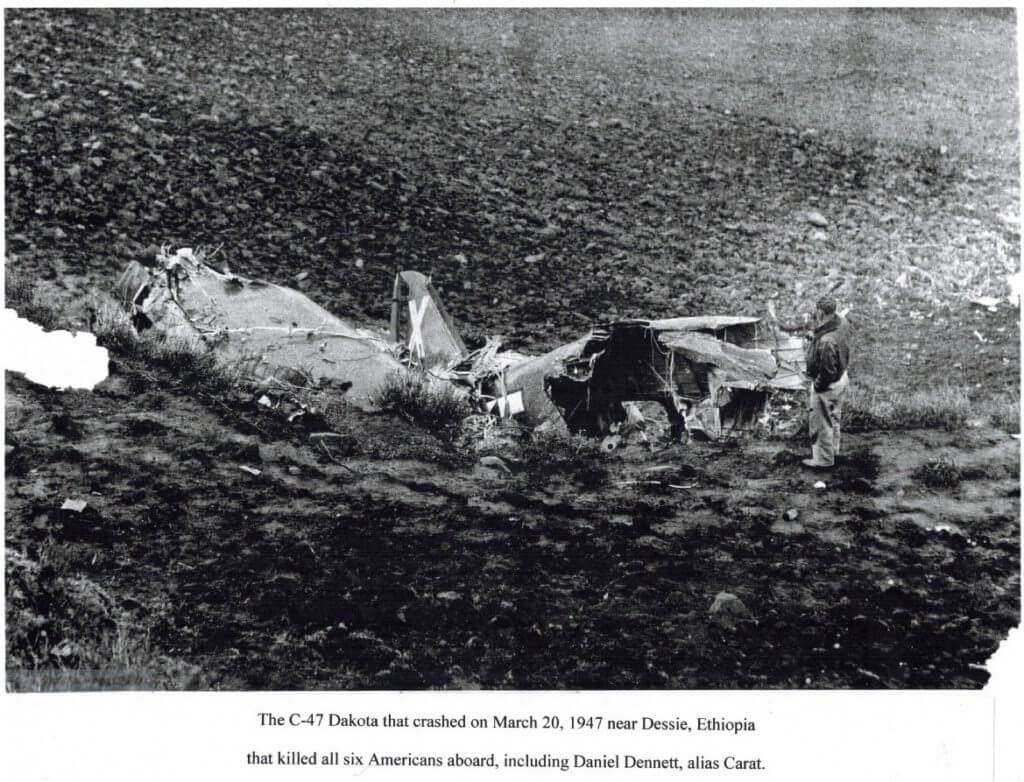
In this blog, I will try to make connections as I did with The Crash of Flight 3804. This book relays my personal quest to learn more about the forces behind the endless wars that are causing horrific death and destruction in the Middle East and agony to the people living and fighting there, including our soldiers. That quest began with an investigation into the death of my father, who was killed in a mysterious plane crash in March 1947 (when I was six weeks old ) following his top-secret mission to Saudi Arabia.
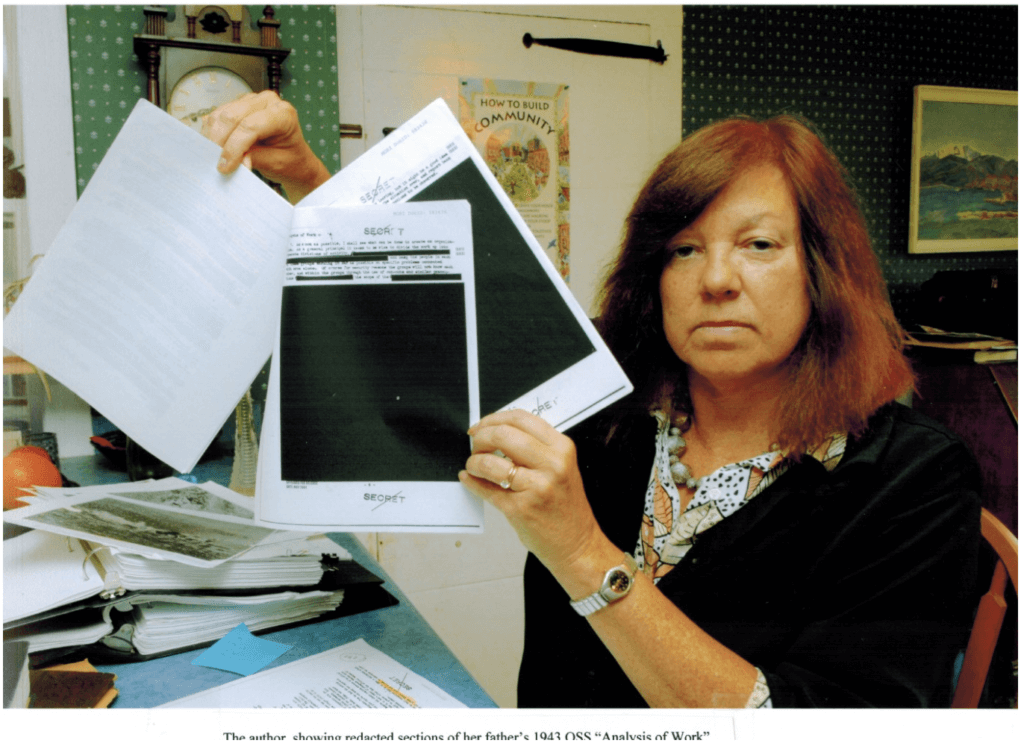
Over four decades I scoured the declassified records of the OSS (Office of Strategic Services, forerunner of the CIA) at the National Archives and British archives, suing the CIA under the Freedom of Information Act, and interviewing friends, colleagues, and relatives of my father, America’s only master spy in the Middle East at the time of his death. Below is a photo of me showing a heavily redacted 1943 “Analysis of Work” written by my father about his anticipated objectives before heading to Beirut, Lebanon for the OSS. The CIA recently removed all redactions from the document at my request.
What emerged from my investigation is a fascinating glimpse into post-WWII espionage in the Middle East, and an expose on the role of oil and gas pipelines in creating endless wars, assassinations, and regime changes that continue to this day. If you care to listen to my first online interview about the book with David Swanson, executive director of World Without War, you can find it here.
Over the coming weeks and months, I’ll be sharing parts of that story with you and commenting on how this decades-long story still plays out in our news cycles and continues to disrupt individual lives and entire nations.
The book can be ordered online or from one of the many local booksellers who have found ways to close their doors but continue to serve their communities via mail or outside-the-door pick-up services. The Crash of Flight 3804 is available in hardcover, as an e-book, or in audio format.
So thank you for joining me in this new blog, as I decipher the mixed messages of the Trump Administration regarding Covid-19, alert readers to the impact of this dreadful pandemic on the already suffering peoples of the Middle East and Central Asia, and share insights on the ongoing Great Game between “the West” and Russia. What, for instance, does the current oil price war between Russia and Saudi Arabia have to do with our lives beyond lower gas prices?
About Charlotte Dennett
Charlotte Dennett is a former Middle East reporter, investigative journalist, and attorney. She is the co-author of Thy Will Be Done: The Conquest of the Amazon: Nelson Rockefeller and Evangelism in the Age of Oil. Dennett’s brother, Daniel C. Dennett III, famed philosopher and author of From Bacteria to Bach and Back: The Evolution of Minds and Consciousness Explained, wrote the foreword to The Crash of Flight 3804.
Recommended Reads
Read The Book

Follow the Pipelines
Uncovering the Mystery of a Lost Spy and the Deadly Politics of the Great Game for Oil
$19.95
You may like...
-
$24.95
-
$10.00
-
$34.95


Recent Articles

Wild seeds & grains are packed with nutrients and versatility. Perfect for off-grid or wildcrafted cooking! New to foraging? Keep reading to get started!
Read More
Thinking of adding a laying flock, but can’t decide? Backyard eggs, yes! But ducks or chickens?
Read More
Garden goals ahead! Planning is everything. Get ready to transform your outdoor space. Here are some tips on how to plan the best garden this growing season!
Read More
Life just got a whole lot better with your own family cow . She will give you fresh milk, cream, butter, and cheese, build human health and happiness. Is this the simple life you’ve been dreaming of?
Read More
Healthy soil = a thriving farm! Discover the essence of organic farming rooted in natural soil care. Learn how to create healthier, chemical-free food & embrace a more sustainable future!
Read More