



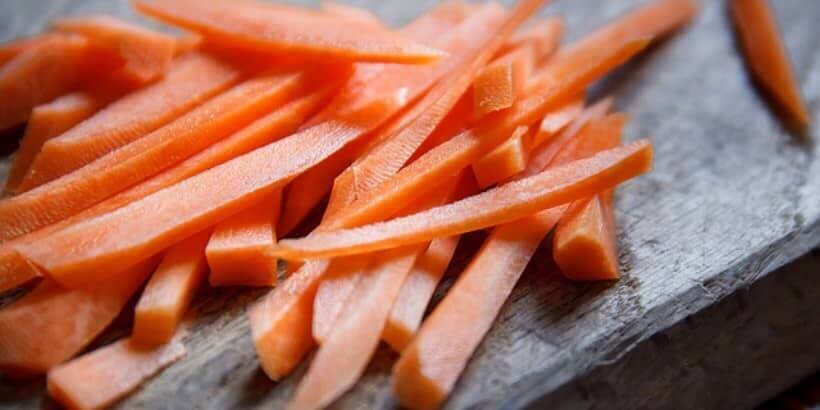
Ginger Carrots for a Healthy Gut
Looking for something to munch on that’s both tasty and good for you? These ginger carrots are a healthy snack that are easy to make at home! The following excerpt is from The Heal Your Gut Cookbook by Hilary Boynton and Mary G. Brackett. It has been adapted for the web. Ginger Carrots Recipe…
Read More
Up Your Gardening Game! The Ultimate Guide to Raised Garden Beds
Raised garden beds are a great way to utilize small space to create a bountiful garden. Discover how to create beautiful, easy-to-maintain raised garden beds!
Read More
Grow Mushrooms on Your Jeans. Seriously.
Do you have an old, worn-out pair of jeans in your dresser? Instead of throwing them out, try to grow mushrooms on them. Follow these guidelines to get started.
Read More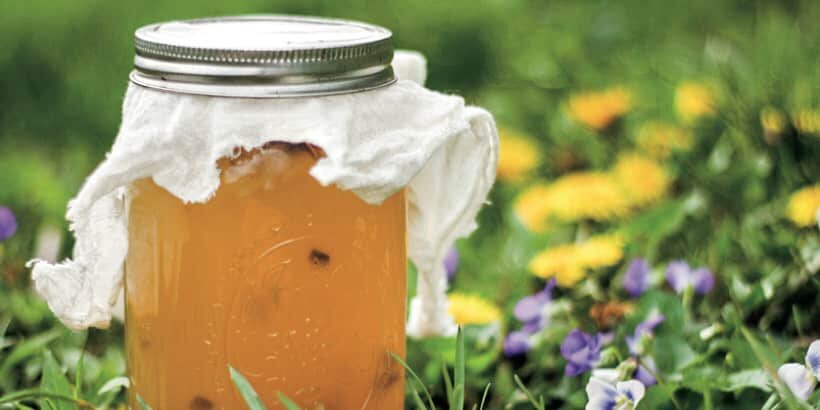
How to Brew Mead at Home: Ginger-Apricot Mead Recipe
Mead is one of the oldest fermented beverages and is made by fermenting honey with water, offering countless flavor possibilities. Let’s dive into the world of mead making!
Read More
Sip Your Way to Better Health: Anti-Inflammatory Cocktail Recipe
Learn how to make the anti-inflammatory cocktail, Gates of Immortality! This is a vibrant, botanical twist on the classic Whiskey Smash.
Read More
Garden Strawberries — A Sweet and Delicious Ground Cover
If you’re planning out a forest garden, or are just looking for a plant to use as ground cover, garden strawberries are a great option.
Read More
8 Steps to Fermented Hot Sauce With Wild Greens
Hot sauce fans, this one’s for you! This easy recipe for fermented hot sauce with wild greens is sure to add an extra punch of flavor to your favorite meal.
Read More
Step-by-Step Guide: How to Grow Oyster Mushrooms on Straw
Discover the magic of oyster mushrooms! They can grow almost anywhere. Straw is a surprisingly simple way to cultivate the ever-popular oyster mushrooms.
Read More
Foraging and Cooking Cattails: Pickled Cattail Shoots
Known for their tall stature and distinctive flower heads, cattails thrive near lakes and marshes. From edible shoots and nutrient-rich roots to pollen used in baking, cattails offer a wealth of uses.
Read More
How to Fence Goats: Good Fences & Gates Make for Great Goats
Wondering how to get your goats to stay in one place? The secret is all in choosing the right fences and gates to keep them safe, happy, and healthy.
Read More
Tips & Tricks for Harvesting and Drying Herbs
Unlocking the full potential of your medicinal remedies starts with effective harvesting and drying of herbs. Here are some tips to get you started!
Read More
Just Add Bugs: Rewilding in Your Garden
There are several ways to embrace nature – no matter the size of your garden. It’s time to rebug & rewild our gardens, lawns, and parks!
Read More
Desert Cuisine: Building Your Own Desert Pantry
Building a desert pantry means celebrating how an arid climate shapes flavor. Learn the essential ingredients needed to build a well-stocked desert pantry!
Read More
Homemade Dandelion Beer
You may have heard of dandelion wine, but have you ever made dandelion beer? We have a recipe for dandelion beer that will be ready in just a week!
Read More
Drop the Beet: Growing No-Till Beets
Beets can be grown year-round and are a perfect, flavorful addition to meals. Get started on growing your own no-till beets with help from these tips!
Read More
Fermented Plant Juice: A Drink Only a Garden Could Love
Everyone loves a refreshing, nutritious drink…even your garden! Take your fermentation skills into the garden by brewing fermented plant juice.
Read More
Milk Feeds Everything: The Benefits of a Family Cow
Cows are the gold standard for milk production. They are the ultimate heroes of sustainable living! Explore the benefits of having a cow on your farm or homestead.
Read More
Make Your Own Kombucha: The Tea Beast Lives
Make your own kombucha at home – it’s easier than you think! Kombucha is not only great for your gut health. It’ll make your taste buds happy, too. Get bubbling with this easy recipe to make your own kombucha!
Read More
Not Level? No Problem. How to Build a Greenhouse on a Slope
Thinking about building a greenhouse but worried about an uneven or sloped yard? Building a greenhouse on a slope offers a bonus: the ability to use gravity to harvest rainwater. Embrace the natural landscape and get ready to grow your garden dreams!
Read More
Make a Foraged, Immune-Boosting Pesto for Spring
Put your cooking and foraging skills to the test with this seasonal, delicious garlic mustard pesto recipe. Create a vibrant, nutrient-packed pesto that harnesses the power of springtime foraging.
Read More
Permanent Beds: Designing An Efficient Garden
Ready to transform your gardening game? Revolutionize your gardening with permanent beds! They help improve soil health, ensure crop growth, and are extremely easy to design, even for beginners!
Read More
The Perfect Books to Gift Mom This Mother’s Day
These much-loved titles are the perfect books for Mother’s Day! Gardening books, cookbooks, memoirs and more — there’s a book for every mom on this list.
Read More
Zero Waste for Every Kitchen: Sustainability at the Source
Make a difference in the kitchen! Prioritize sustainable cooking through zero waste methods. From the ingredients we choose to how we dispose of what’s left behind, every small step in the kitchen can make a BIG difference!
Read More
Garlic Mustard: A Gold Mine of Food and Medicine
Invasive garlic mustard gets a bad rep, but did you know it’s edible from root to leaf? Garlic mustard can be consumed in its entirety and has great nutritional value. Plus, the flavor adds a punch of flavor to any dish!
Read More
Twenty-First-Century Economist: Seven Ways to Think Like One
When it comes to how we think about the economy, we’re centuries behind the times. Renegade economist, Kate Raworth, proposes an entirely new approach to economic systems thinking designed to help us develop new standards for economic success.
Read More